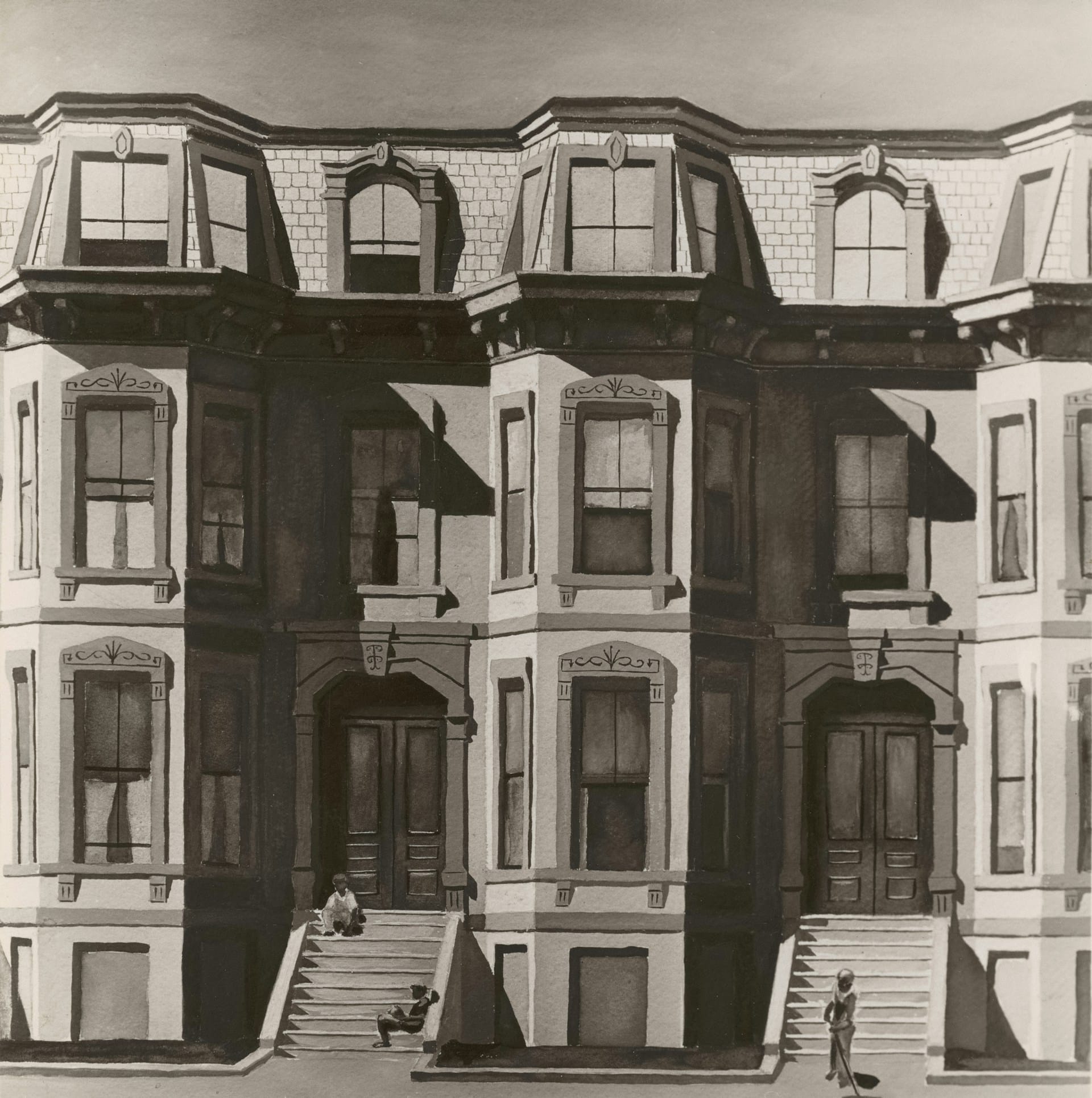

Architecture criticism spends most of its attention on skylines, facades, and the view from across the street. Almost nobody who walks past a building every day sees it that way. What they actually experience is the ground floor — the strip of glass, wall, or entrance at eye level — and that band, often only a few feet tall, does more to shape a street’s character than everything built above it.
A skyline is a postcard. A ground floor is a conversation you have with a street every single day, whether you notice it or not.
The wall that isn’t a wall
A blank ground-floor wall reads as a gap in the street even when the building above it is architecturally ambitious. Parking podiums, windowless retail backs, and long unbroken facades create stretches where a pedestrian has nothing to look at and no reason to slow down. Cities with genuinely good walking streets tend to share one unglamorous trait: frequent doors and windows at eye level, regardless of what happens twelve floors up.
Who a ground floor is actually built for
Two buildings can have identical footprints and completely different relationships to the people outside them. One turns its most active uses — a café, a shop, a lobby with actual activity in it — toward the sidewalk. The other faces the street with a loading dock, a blank lobby wall, or a parking entrance, treating everything at ground level as a problem to route around rather than a surface the public actually meets. The difference rarely shows up in a rendering. It shows up the first time someone actually walks past.
Why it keeps getting underinvested
Ground-floor design tends to lose out for a practical reason: the floors above generate rent per square foot in a way that’s easy to model, while an active, well-designed ground floor mostly generates value for people who aren’t paying for it — pedestrians, neighbors, the block as a whole. Developers who treat the ground floor purely as a leasing problem, to be filled with whatever tenant signs first, produce buildings that are structurally sound and quietly hostile to the street. The ones who treat it as a design problem, worth the same deliberate attention as the lobby or the facade, tend to produce the blocks people actually remember walking down.