

Architecture
The design of buildings and the human decisions embedded in how they take shape, from a column grid to a ground-floor entrance. Less about style than about the everyday choices that decide whether a building actually works for the people who use it.
Designing for a wheelchair quietly made the whole building better
Curb cuts were built for wheelchairs and ended up serving strollers, delivery carts, and rolling luggage far more often. Accessible design keeps producing this pattern, almost by accident.
Daylight is the cheapest material an architect has, and the easiest to waste
A window costs less than almost anything else in a building’s budget, yet daylight is routinely the first thing value-engineered away when a project runs tight.
Why some staircases get used and others just get walked past
Most office staircases sit behind a fire door and get ignored in favor of the elevator. A few get used constantly, and the difference is rarely about the number of steps.
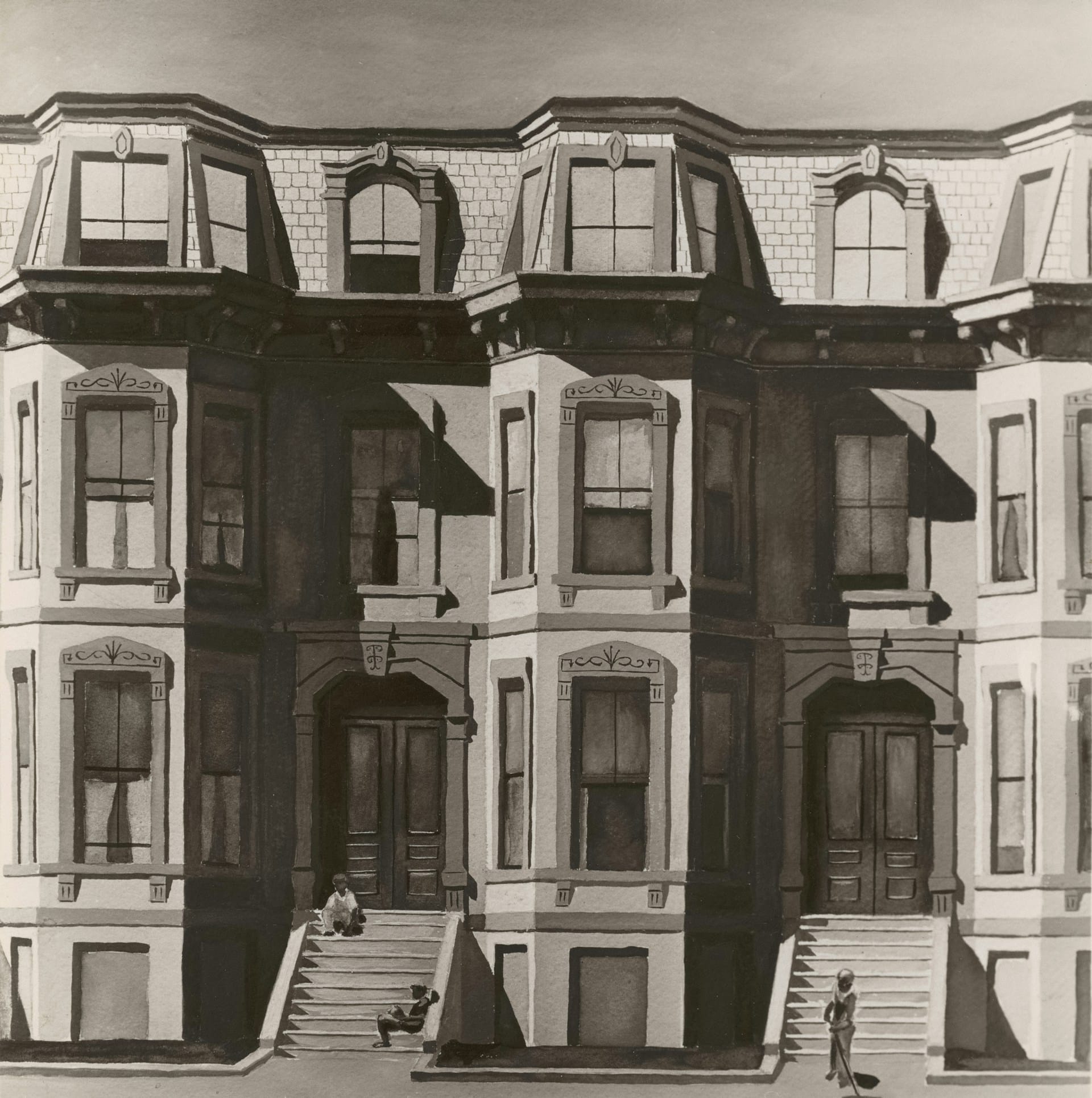
Adaptive reuse turns an old building’s constraints into its best feature
The column grid of a former factory or the low ceilings of a converted warehouse look like limitations, until they become the thing that makes the new space feel like nowhere else.
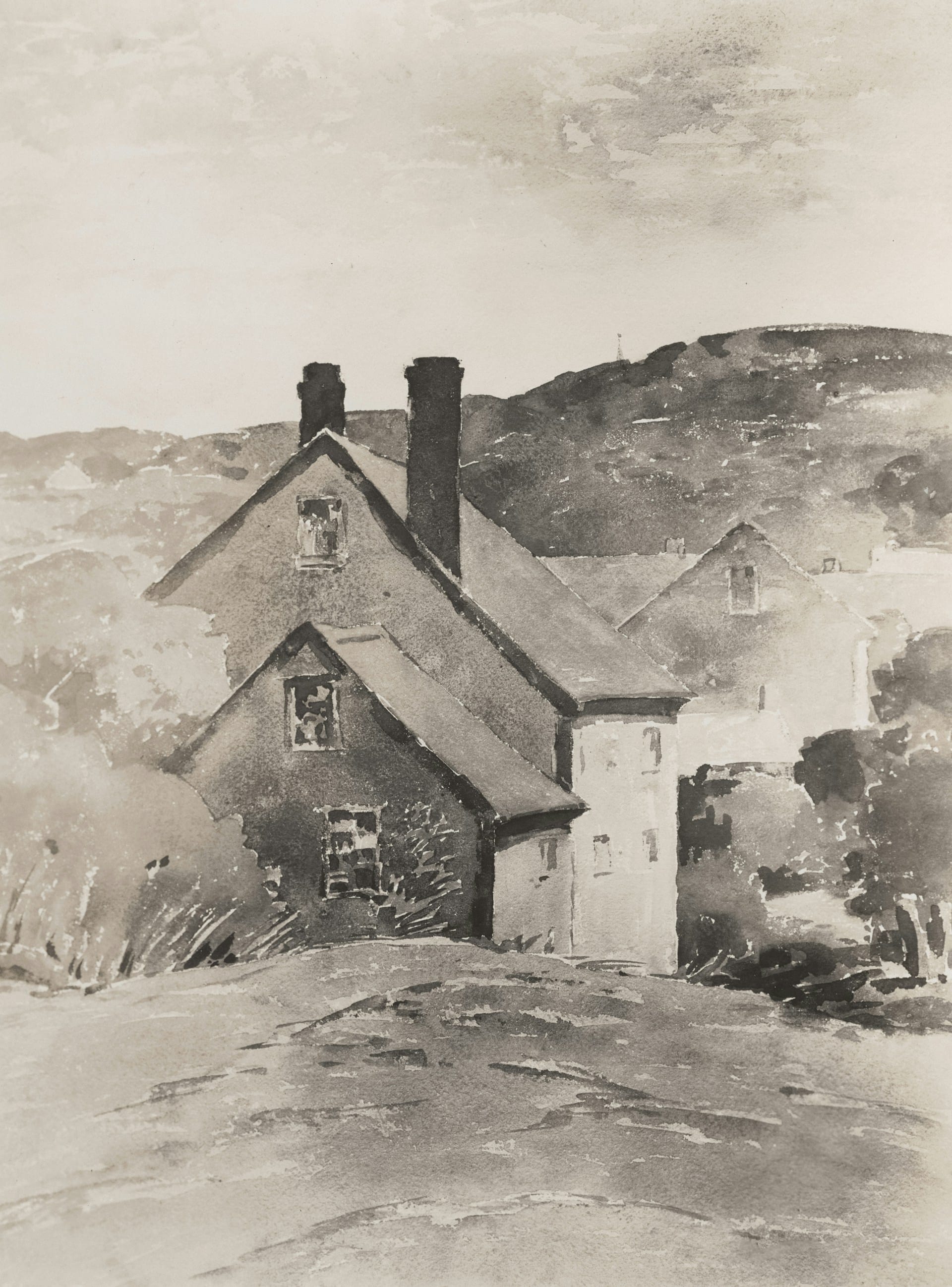
Designing for a wheelchair quietly made the whole building better
Curb cuts were built for wheelchairs and ended up serving strollers, delivery carts, and rolling luggage far more often. Accessible design keeps producing this pattern, almost by accident.
Why some staircases get used and others just get walked past
Most office staircases sit behind a fire door and get ignored in favor of the elevator. A few get used constantly, and the difference is rarely about the number of steps.
The ground floor decides whether a building belongs to the street or just occupies it
Skylines get the attention, but the first few feet above the sidewalk are what everyone who never sets foot inside actually experiences.