

Explore our topics
Browse the ideas running through these pages—architecture, museums, cities, and the everyday culture that shapes how people actually experience them.
What density actually buys a city, and what it quietly costs
More people per block means shorter commutes and busier sidewalks. It also means less room for error in everything from noise to garbage collection, and cities rarely budget honestly for that trade.
What a park bench says about who a city was actually designed for
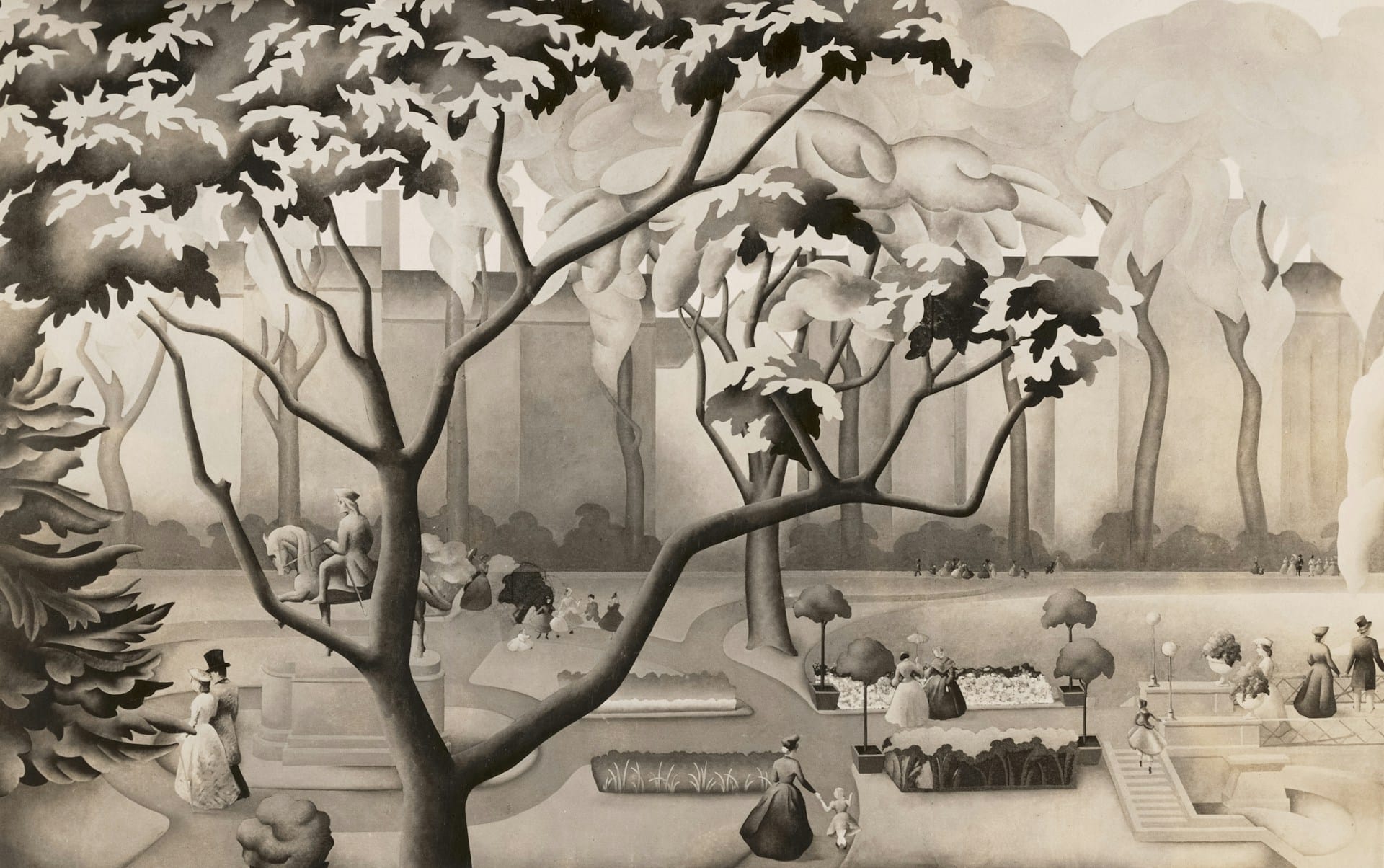
A bench looks like a small, neutral piece of furniture. Where it’s placed, how long it invites you to stay, and who it’s built to exclude say more about a city’s priorities than most policy documents.
Designing for a wheelchair quietly made the whole building better
Curb cuts were built for wheelchairs and ended up serving strollers, delivery carts, and rolling luggage far more often. Accessible design keeps producing this pattern, almost by accident.
The exhibit everyone praised on the way out is rarely the one they remember
Exit surveys measure enjoyment on the day of a visit. What actually stays with someone a year later often looks quite different from what they praised leaving.
What density actually buys a city, and what it quietly costs
More people per block means shorter commutes and busier sidewalks. It also means less room for error in everything from noise to garbage collection, and cities rarely budget honestly for that trade.
What a park bench says about who a city was actually designed for
A bench looks like a small, neutral piece of furniture. Where it’s placed, how long it invites you to stay, and who it’s built to exclude say more about a city’s priorities than most policy documents.
What a park bench says about who a city was actually designed for
A bench looks like a small, neutral piece of furniture. Where it’s placed, how long it invites you to stay, and who it’s built to exclude say more about a city’s priorities than most policy documents.
Designing for a wheelchair quietly made the whole building better
Curb cuts were built for wheelchairs and ended up serving strollers, delivery carts, and rolling luggage far more often. Accessible design keeps producing this pattern, almost by accident.
Sound design is doing more work than visitors notice
Ambient sound shapes how long visitors linger and how they feel in a space, often without them consciously registering that sound is involved at all.