
Cities
The systems, rhythms, and shared spaces that make everyday urban life work, or fail to. Most of what makes a city feel livable comes down to unglamorous infrastructure decisions nobody notices until they’re missing.
What density actually buys a city, and what it quietly costs
More people per block means shorter commutes and busier sidewalks. It also means less room for error in everything from noise to garbage collection, and cities rarely budget honestly for that trade.
What a park bench says about who a city was actually designed for
A bench looks like a small, neutral piece of furniture. Where it’s placed, how long it invites you to stay, and who it’s built to exclude say more about a city’s priorities than most policy documents.
The third place that isn’t home or work is quietly disappearing
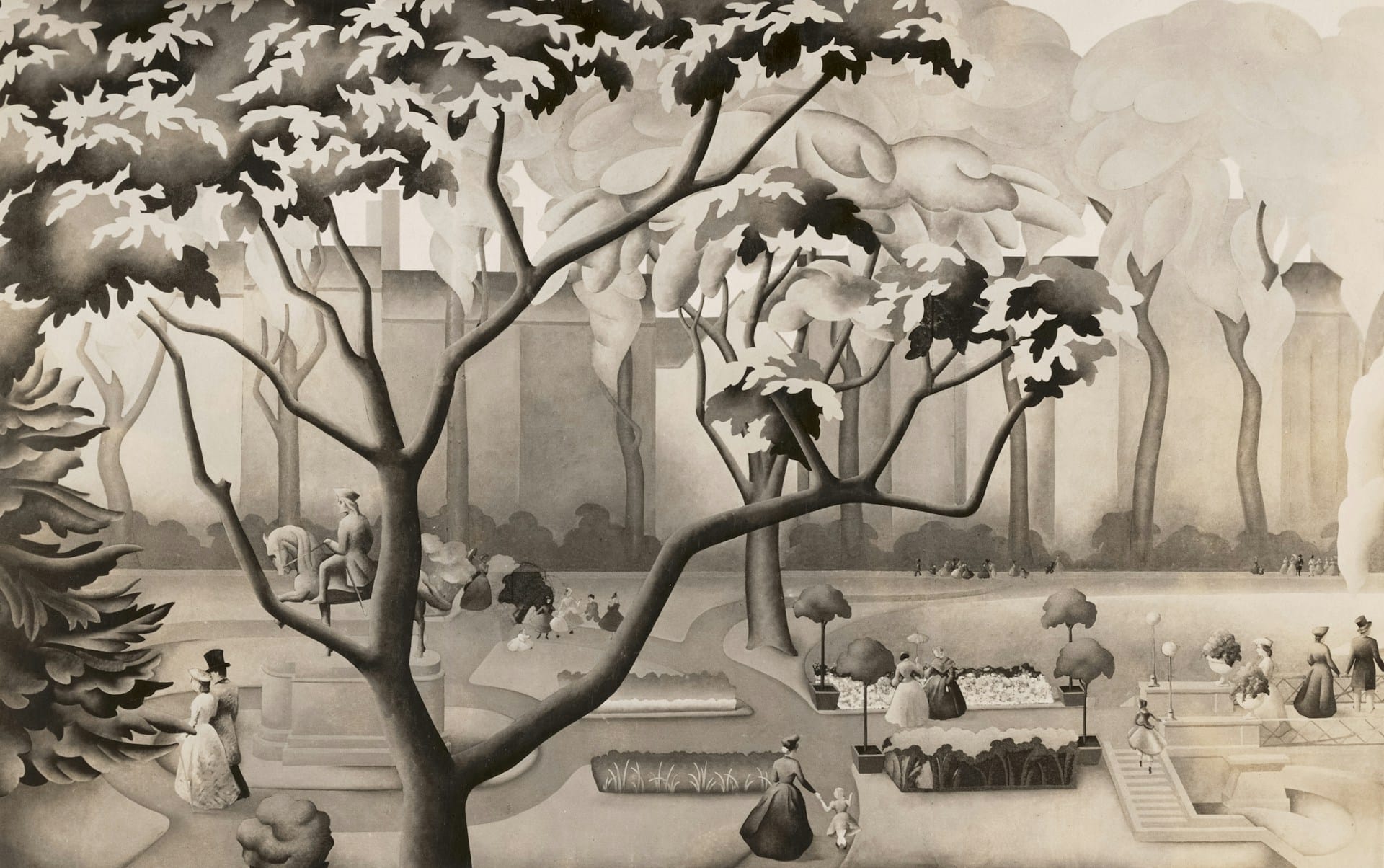
Cafés, corner shops, and stoops used to absorb the unplanned parts of a day. As they close or get privatized, that in-between time doesn’t relocate — it just stops happening.
The rarest thing in a city is not space, it’s quiet
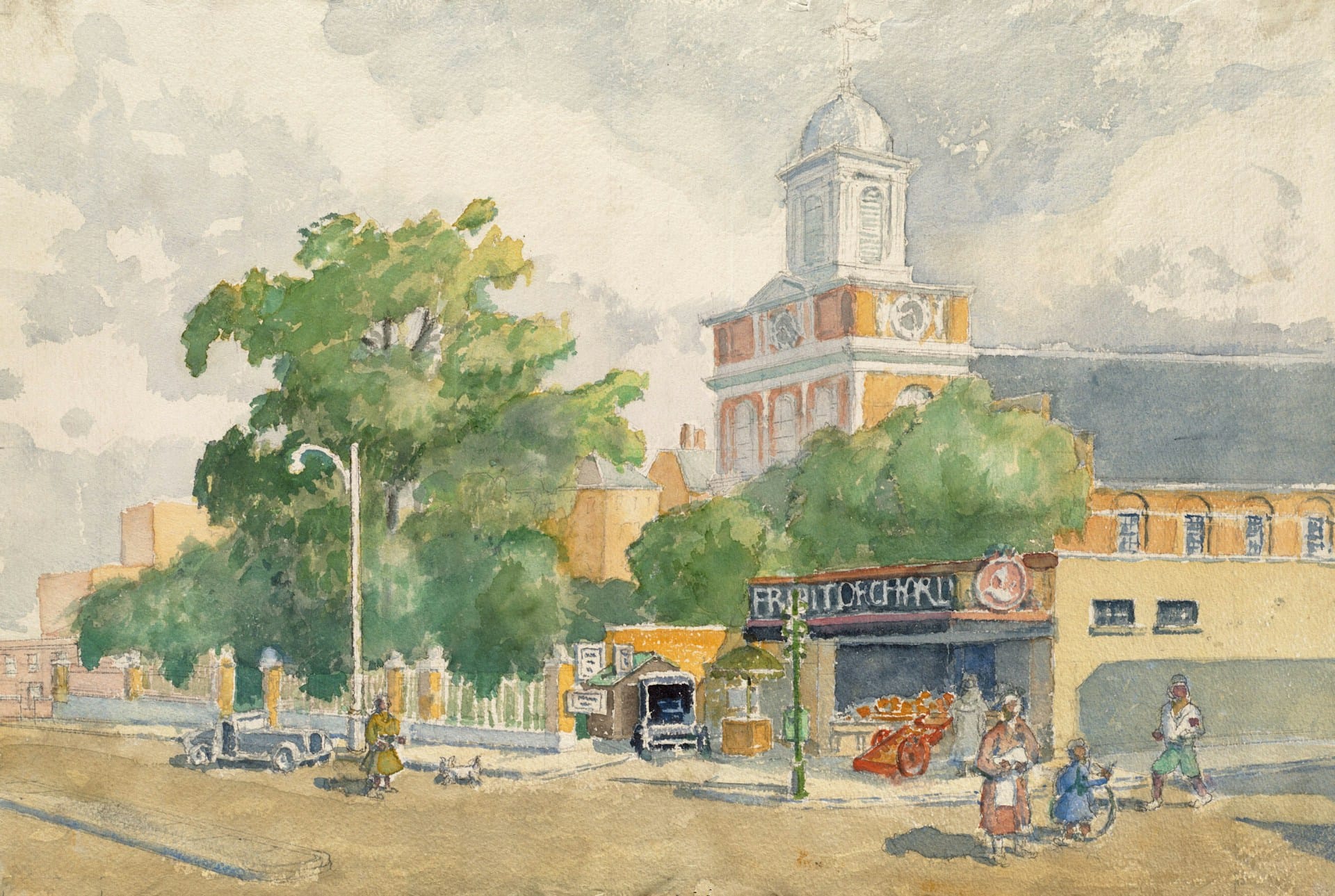
Cities solve for density, transit, and housing constantly. Almost none of them treat acoustic quiet as a resource worth protecting on purpose, until residents are already exhausted by its absence.
What a park bench says about who a city was actually designed for
A bench looks like a small, neutral piece of furniture. Where it’s placed, how long it invites you to stay, and who it’s built to exclude say more about a city’s priorities than most policy documents.
The public library keeps being asked to do jobs it wasn’t built for
A library was designed around books and quiet reading rooms. It has quietly become a city’s default answer for shelter, job search help, and childcare, often without the budget to match.
Streetlights quietly decide which parts of a city feel safe after dark
Two blocks with identical crime statistics can feel completely different at night. Often the only real difference is lighting, and where a city chooses to invest in it.