
Meet our authors




The writers behind these pages—architecture critics, museum reporters, and city-watchers who spend as much time in the field as at their desks.
The exhibit everyone praised on the way out is rarely the one they remember
Exit surveys measure enjoyment on the day of a visit. What actually stays with someone a year later often looks quite different from what they praised leaving.
What a park bench says about who a city was actually designed for
A bench looks like a small, neutral piece of furniture. Where it’s placed, how long it invites you to stay, and who it’s built to exclude say more about a city’s priorities than most policy documents.
When an exhibit outlives the technology it was built on
Interactive exhibits built on specific hardware and software eventually face a problem plaques never do: the technology stops being supported.
What density actually buys a city, and what it quietly costs
More people per block means shorter commutes and busier sidewalks. It also means less room for error in everything from noise to garbage collection, and cities rarely budget honestly for that trade.
Why some exhibits reward a second visit more than a first
A well-designed exhibit can reveal something new on a second walk-through. A look at what makes a space rich enough to hold up under repeat attention.
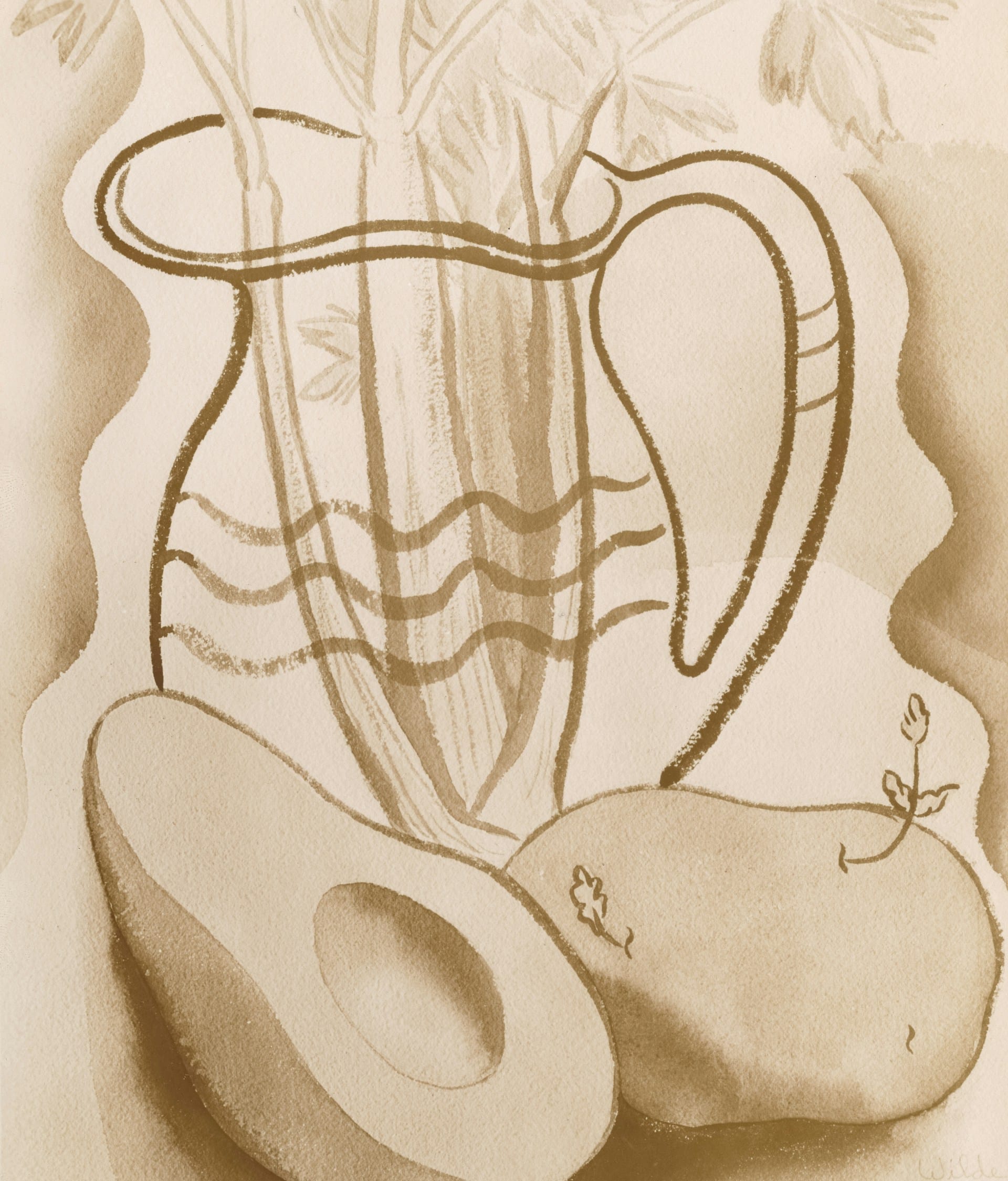
Adaptive reuse turns an old building’s constraints into its best feature
The column grid of a former factory or the low ceilings of a converted warehouse look like limitations, until they become the thing that makes the new space feel like nowhere else.
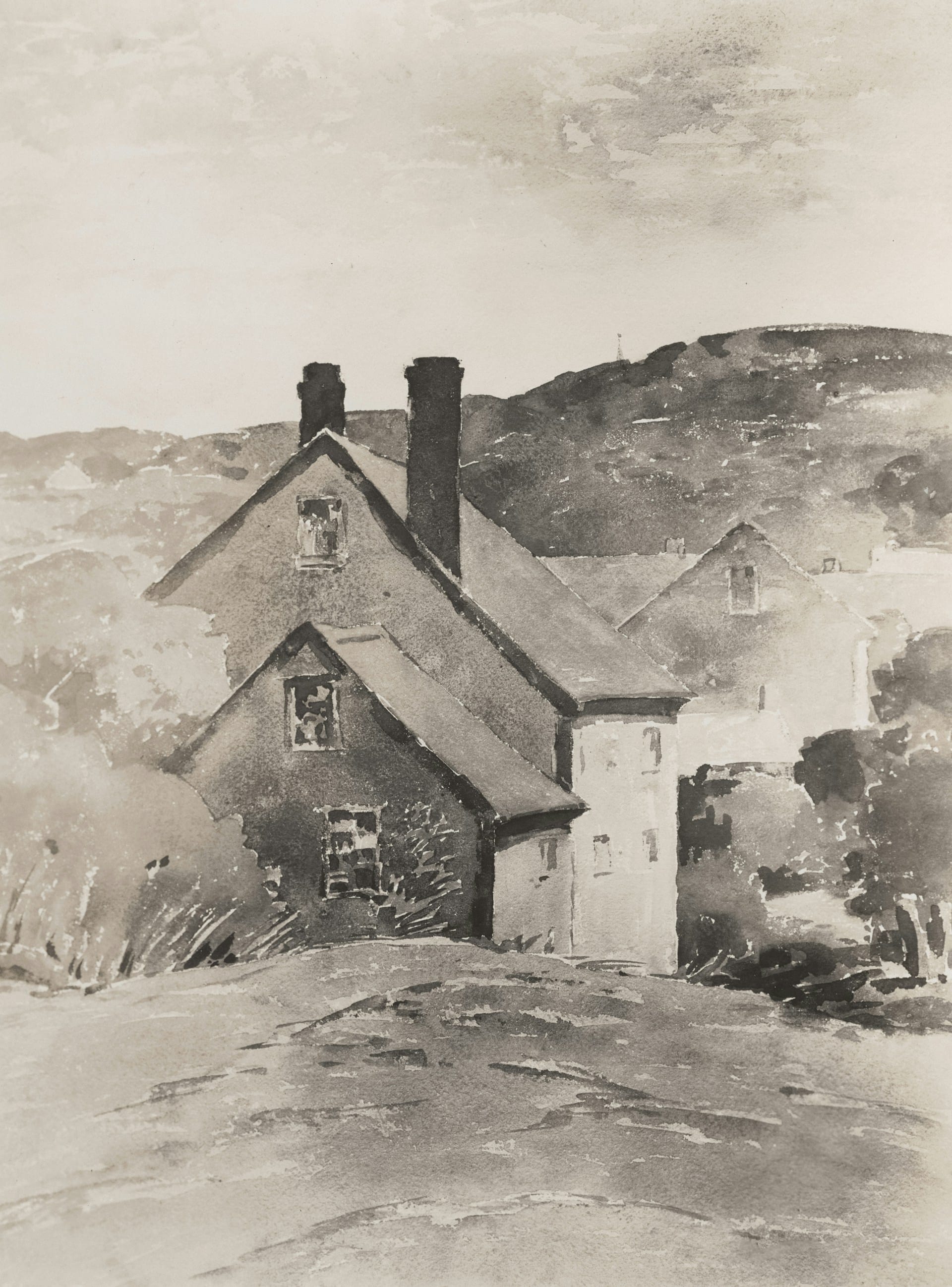
Designing for a wheelchair quietly made the whole building better
Curb cuts were built for wheelchairs and ended up serving strollers, delivery carts, and rolling luggage far more often. Accessible design keeps producing this pattern, almost by accident.
Sound design is doing more work than visitors notice
Ambient sound shapes how long visitors linger and how they feel in a space, often without them consciously registering that sound is involved at all.
Why some staircases get used and others just get walked past
Most office staircases sit behind a fire door and get ignored in favor of the elevator. A few get used constantly, and the difference is rarely about the number of steps.