

Cities
The systems, rhythms, and shared spaces that make everyday urban life work, or fail to. Most of what makes a city feel livable comes down to unglamorous infrastructure decisions nobody notices until they’re missing.
The public library keeps being asked to do jobs it wasn’t built for
A library was designed around books and quiet reading rooms. It has quietly become a city’s default answer for shelter, job search help, and childcare, often without the budget to match.
Streetlights quietly decide which parts of a city feel safe after dark
Two blocks with identical crime statistics can feel completely different at night. Often the only real difference is lighting, and where a city chooses to invest in it.
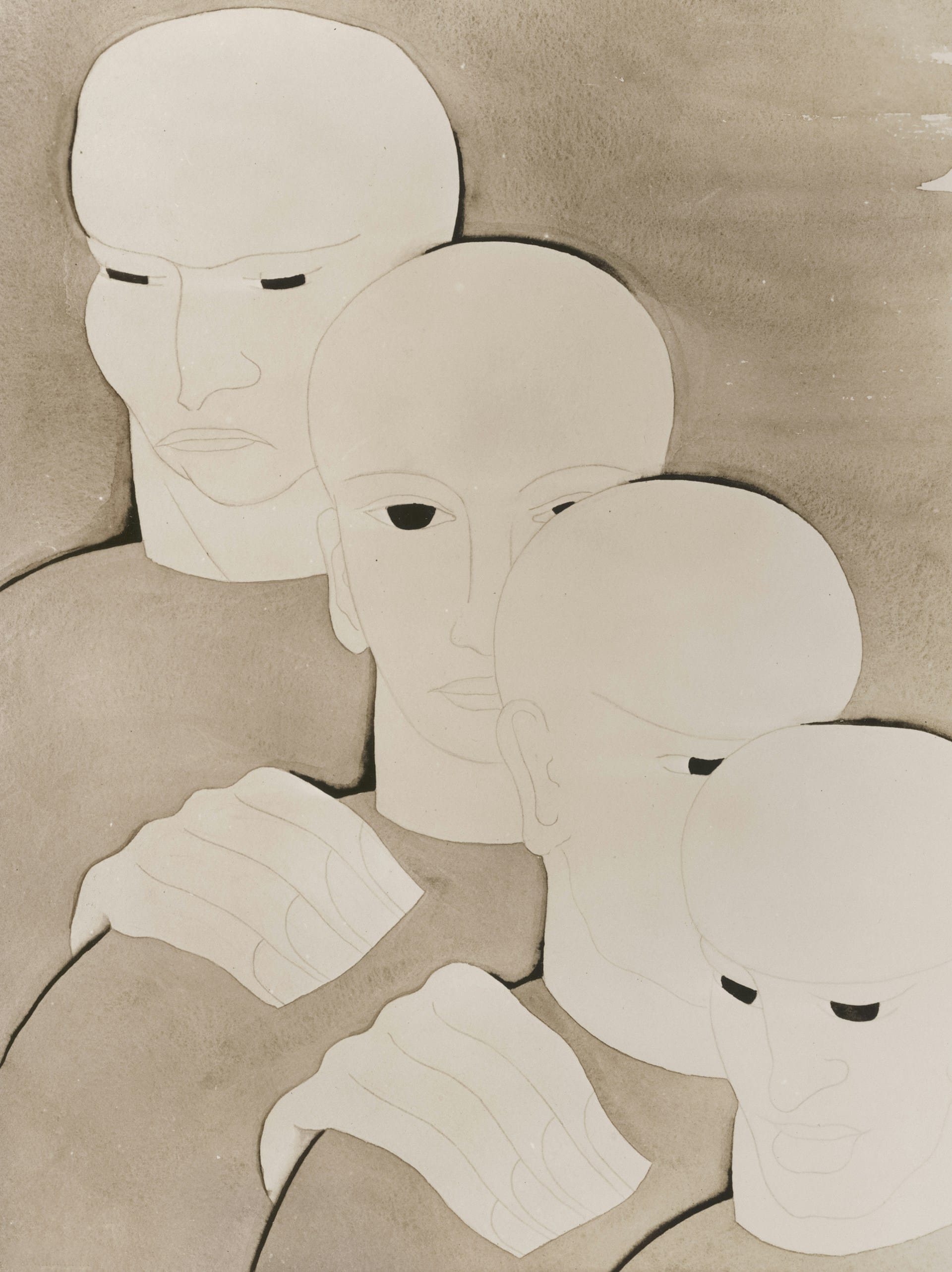
The ground floor decides whether a building belongs to the street or just occupies it
Skylines get the attention, but the first few feet above the sidewalk are what everyone who never sets foot inside actually experiences.
A renovated neighborhood rarely keeps the character that made it worth renovating
Investment follows character, then quietly prices it out. The result usually looks better in photographs and feels less specific to actually walk through.
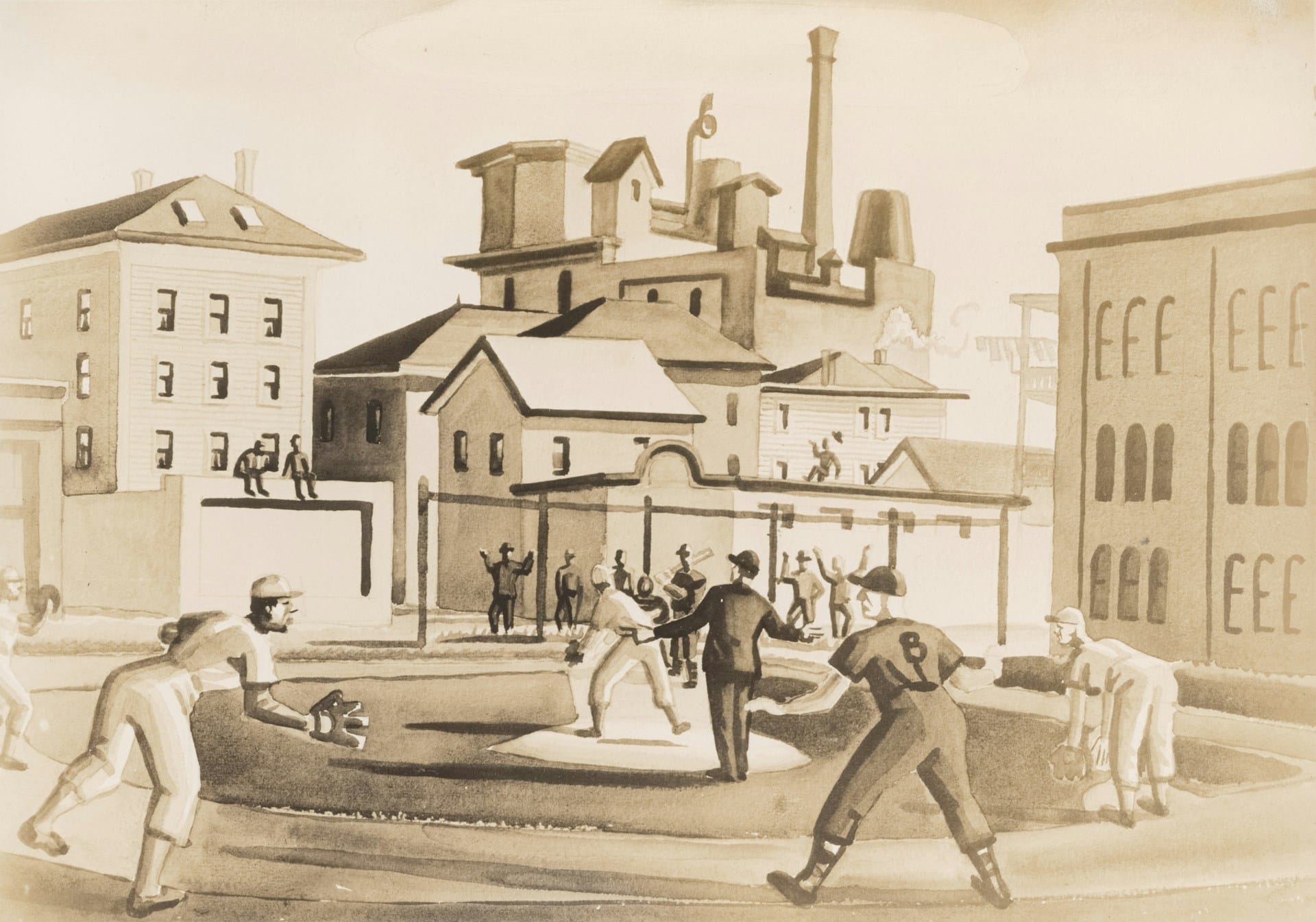
What a park bench says about who a city was actually designed for
A bench looks like a small, neutral piece of furniture. Where it’s placed, how long it invites you to stay, and who it’s built to exclude say more about a city’s priorities than most policy documents.

The public library keeps being asked to do jobs it wasn’t built for
A library was designed around books and quiet reading rooms. It has quietly become a city’s default answer for shelter, job search help, and childcare, often without the budget to match.
Streetlights quietly decide which parts of a city feel safe after dark
Two blocks with identical crime statistics can feel completely different at night. Often the only real difference is lighting, and where a city chooses to invest in it.