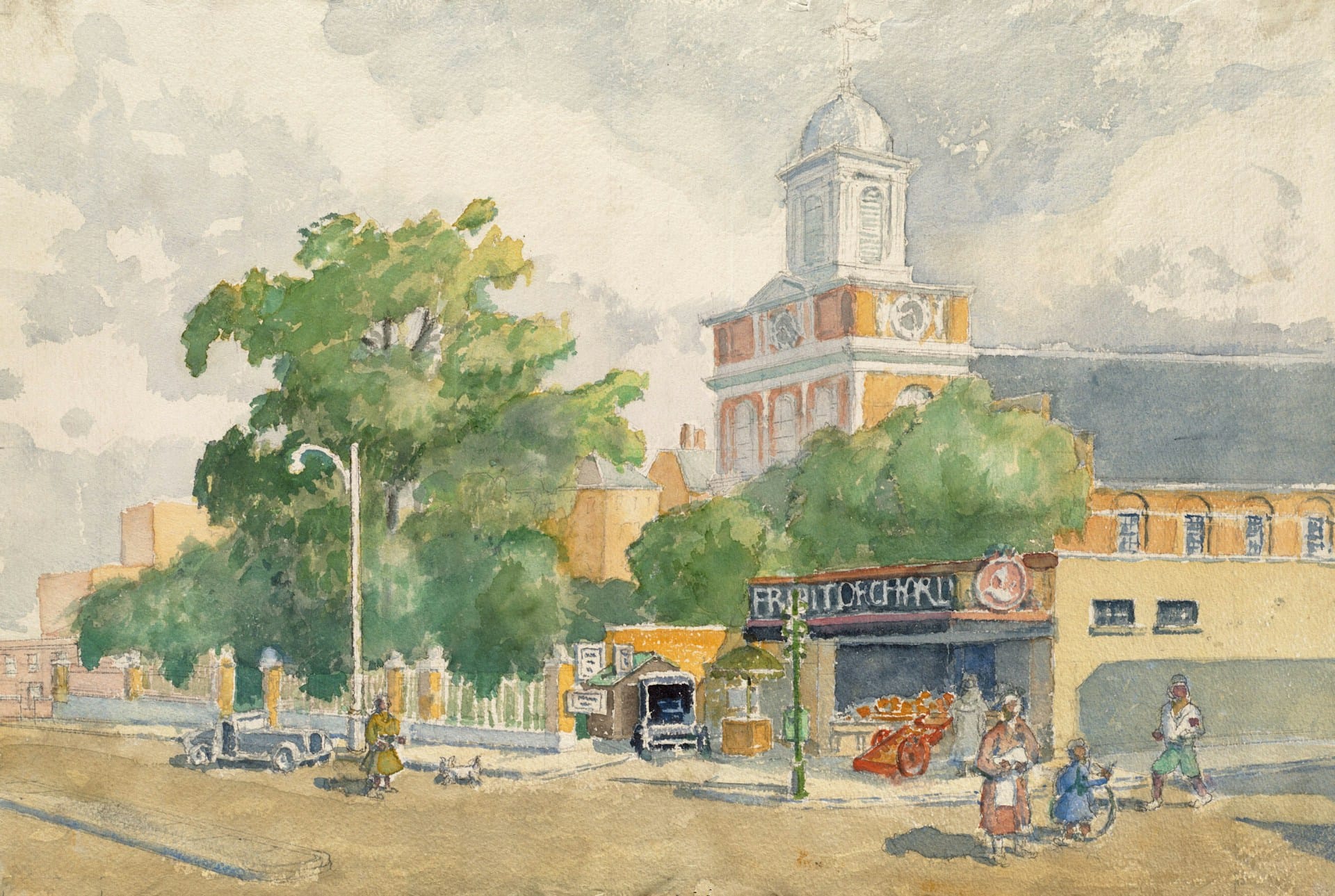

Neighborhoods rarely attract renovation and investment at random. Developers and new residents are usually drawn to a specific texture — cheap studios that let artists work, a particular immigrant business district, a genuinely mixed-income street where very different lives overlap on the same block. The uncomfortable pattern is that the investment those qualities attract tends, over a decade or so, to price out the exact conditions that made the neighborhood distinctive in the first place.
A renovated neighborhood rarely keeps the character that made it worth renovating
Investment follows character, then quietly prices it out. The result usually looks better in photographs and feels less specific to actually walk through.
This article is for paying subscribers only
More in Cities
See all
What density actually buys a city, and what it quietly costs
More people per block means shorter commutes and busier sidewalks. It also means less room for error in everything from noise to garbage collection, and cities rarely budget honestly for that trade.
What a park bench says about who a city was actually designed for
A bench looks like a small, neutral piece of furniture. Where it’s placed, how long it invites you to stay, and who it’s built to exclude say more about a city’s priorities than most policy documents.
The third place that isn’t home or work is quietly disappearing
Cafés, corner shops, and stoops used to absorb the unplanned parts of a day. As they close or get privatized, that in-between time doesn’t relocate — it just stops happening.