

Business Strategy
The economic pressures and decisions that shape which businesses, markets, and neighborhoods actually survive. Rent, density, and timing often matter more to that outcome than the quality of the idea itself.
What density actually buys a city, and what it quietly costs
More people per block means shorter commutes and busier sidewalks. It also means less room for error in everything from noise to garbage collection, and cities rarely budget honestly for that trade.
The third place that isn’t home or work is quietly disappearing
Cafés, corner shops, and stoops used to absorb the unplanned parts of a day. As they close or get privatized, that in-between time doesn’t relocate — it just stops happening.
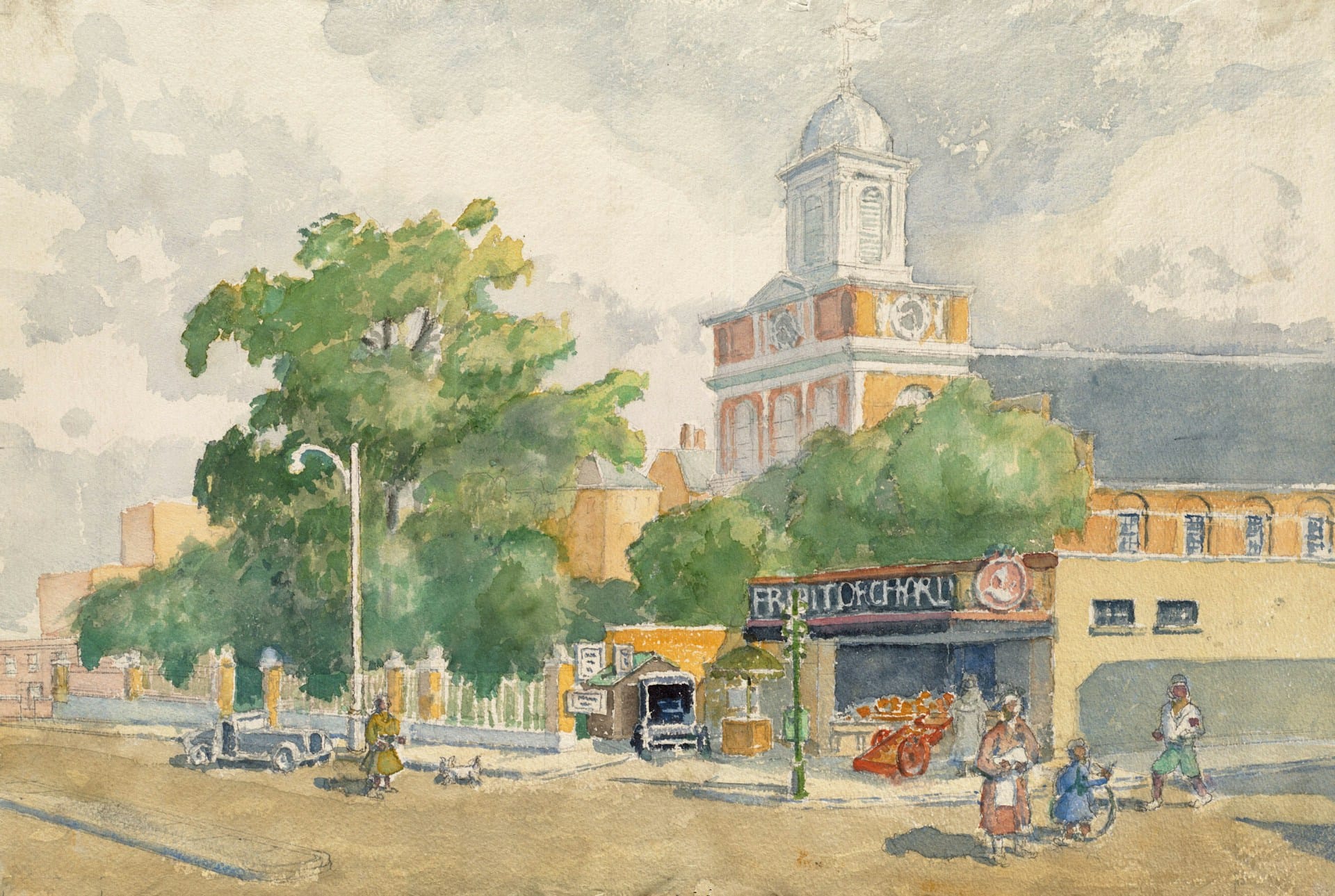
A renovated neighborhood rarely keeps the character that made it worth renovating
Investment follows character, then quietly prices it out. The result usually looks better in photographs and feels less specific to actually walk through.
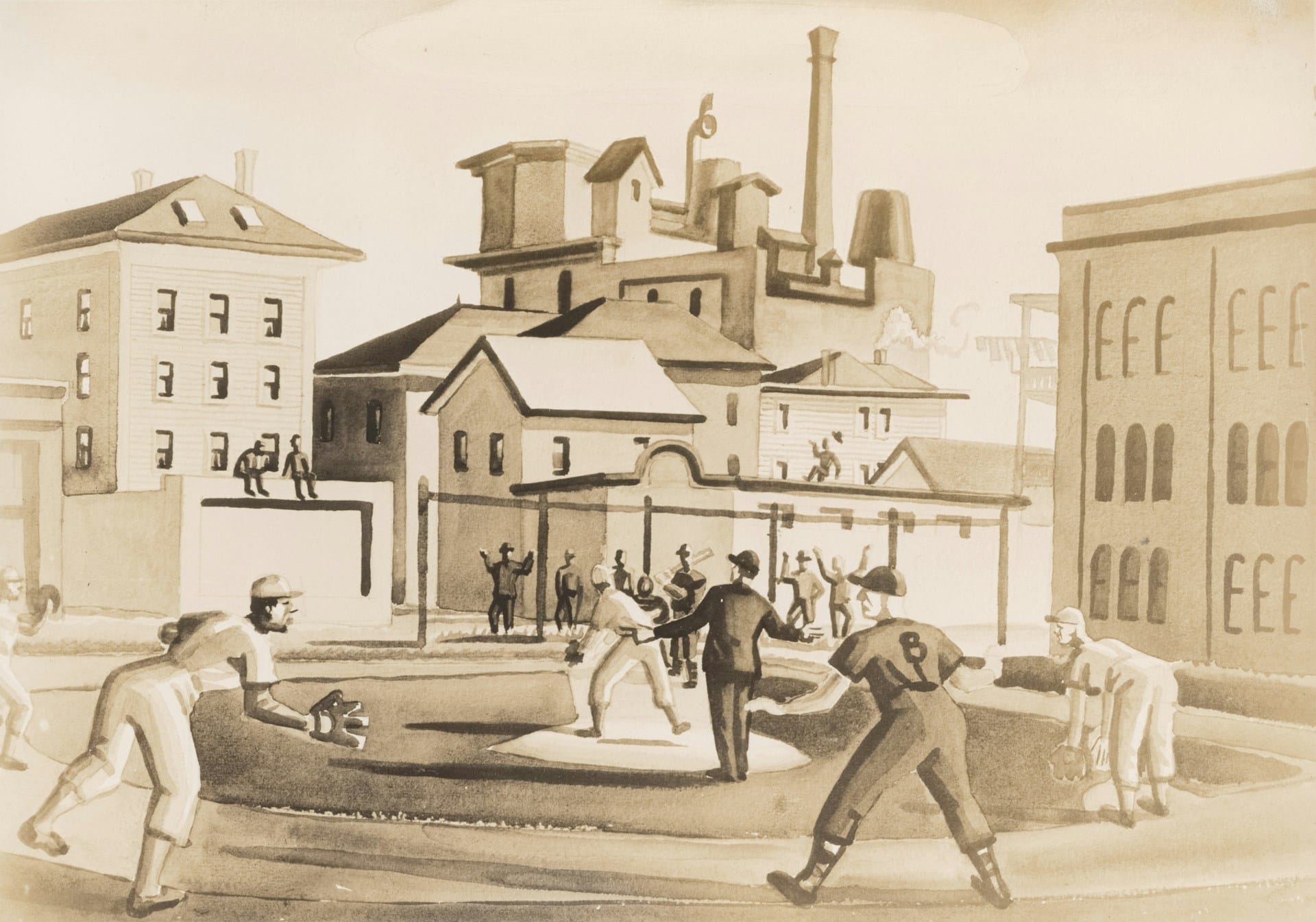
A good street market is harder to plan than it looks
A market feels effortless when it works — stalls, noise, people moving slowly. Almost none of that happens by accident, and most planned attempts to recreate it feel flat.
A renovated neighborhood rarely keeps the character that made it worth renovating
Investment follows character, then quietly prices it out. The result usually looks better in photographs and feels less specific to actually walk through.