

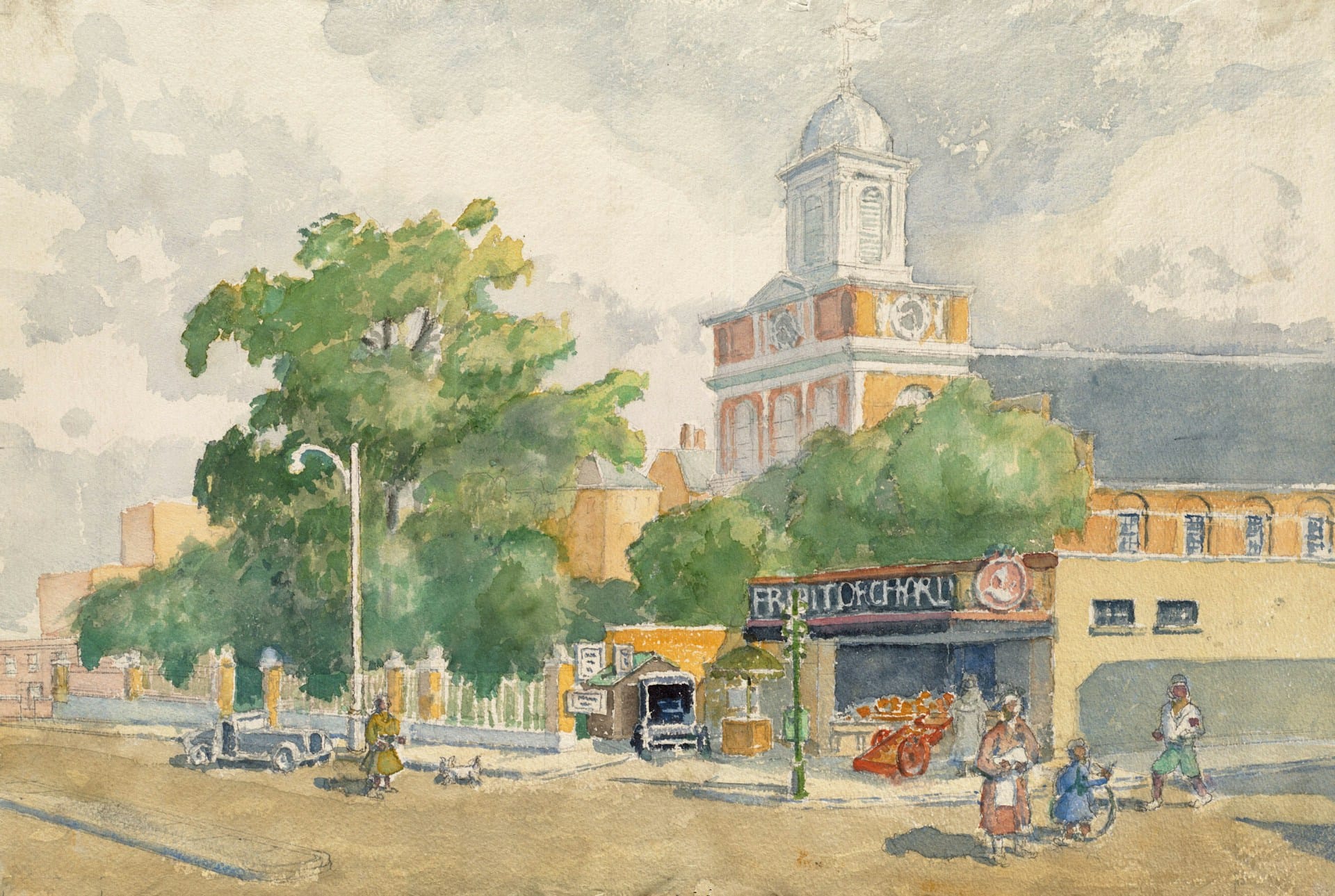
Sociologists have a name for the places that are neither home nor work — the café, the barbershop, the corner store, the stoop — where people gather without an agenda and stay without a reason. These "third places" have never been essential in any measurable sense. What they quietly provide is the unplanned, low-stakes contact that keeps a neighborhood feeling like a neighborhood rather than a collection of addresses.
What a third place actually does
A third place asks almost nothing of the people in it. No purchase is strictly required to sit for a while, no appointment is needed, and the conversation, if it happens at all, can end whenever either person wants it to. That low commitment is the entire mechanism — it’s precisely what makes a third place accessible to people who wouldn’t otherwise organize a get-together, and what lets loose acquaintances slowly become something closer over months of small, repeated, unplanned contact.
Why they’re disappearing without anyone deciding to remove them
Few cities have ever set out to eliminate third places. They erode instead through a slow accumulation of small, individually reasonable decisions: rising commercial rents push out the shop that let people linger, a chain replaces a corner store with a design that discourages sitting, a stoop gets fenced for liability reasons. No single decision looks like an attack on community life. The cumulative effect, over a decade, often is one.
A third place rarely announces its own importance. Most people notice it was there only after it’s a bank branch.
What tends to replace it, and why that’s not the same thing
The places that fill the gap — a gym, a food delivery app, a private co-working space — often meet a similar practical need without producing the same effect, because they’re built around a transaction rather than an open invitation to simply be present. A third place worth the name has to tolerate people who aren’t spending money and aren’t in a hurry, and that tolerance is exactly what most of its commercial replacements are designed to eliminate.