

Everyday Life
The ordinary, unremarkable decisions that quietly shape how a place or a life actually feels. These are the details easiest to overlook precisely because nobody experiences them as a decision at all.
Daylight is the cheapest material an architect has, and the easiest to waste
A window costs less than almost anything else in a building’s budget, yet daylight is routinely the first thing value-engineered away when a project runs tight.
The third place that isn’t home or work is quietly disappearing
Cafés, corner shops, and stoops used to absorb the unplanned parts of a day. As they close or get privatized, that in-between time doesn’t relocate — it just stops happening.
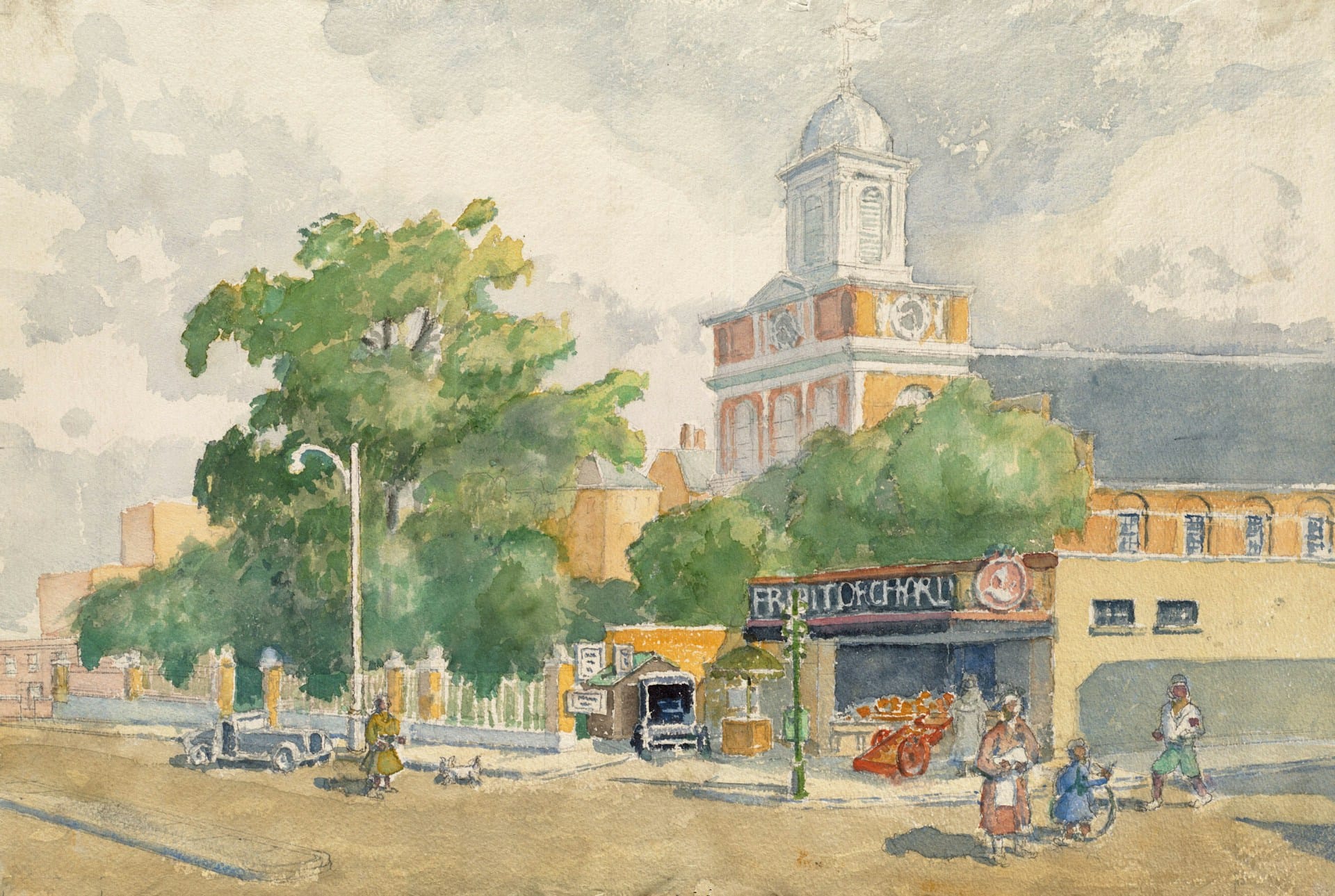
The rarest thing in a city is not space, it’s quiet
Cities solve for density, transit, and housing constantly. Almost none of them treat acoustic quiet as a resource worth protecting on purpose, until residents are already exhausted by its absence.
Why some staircases get used and others just get walked past
Most office staircases sit behind a fire door and get ignored in favor of the elevator. A few get used constantly, and the difference is rarely about the number of steps.
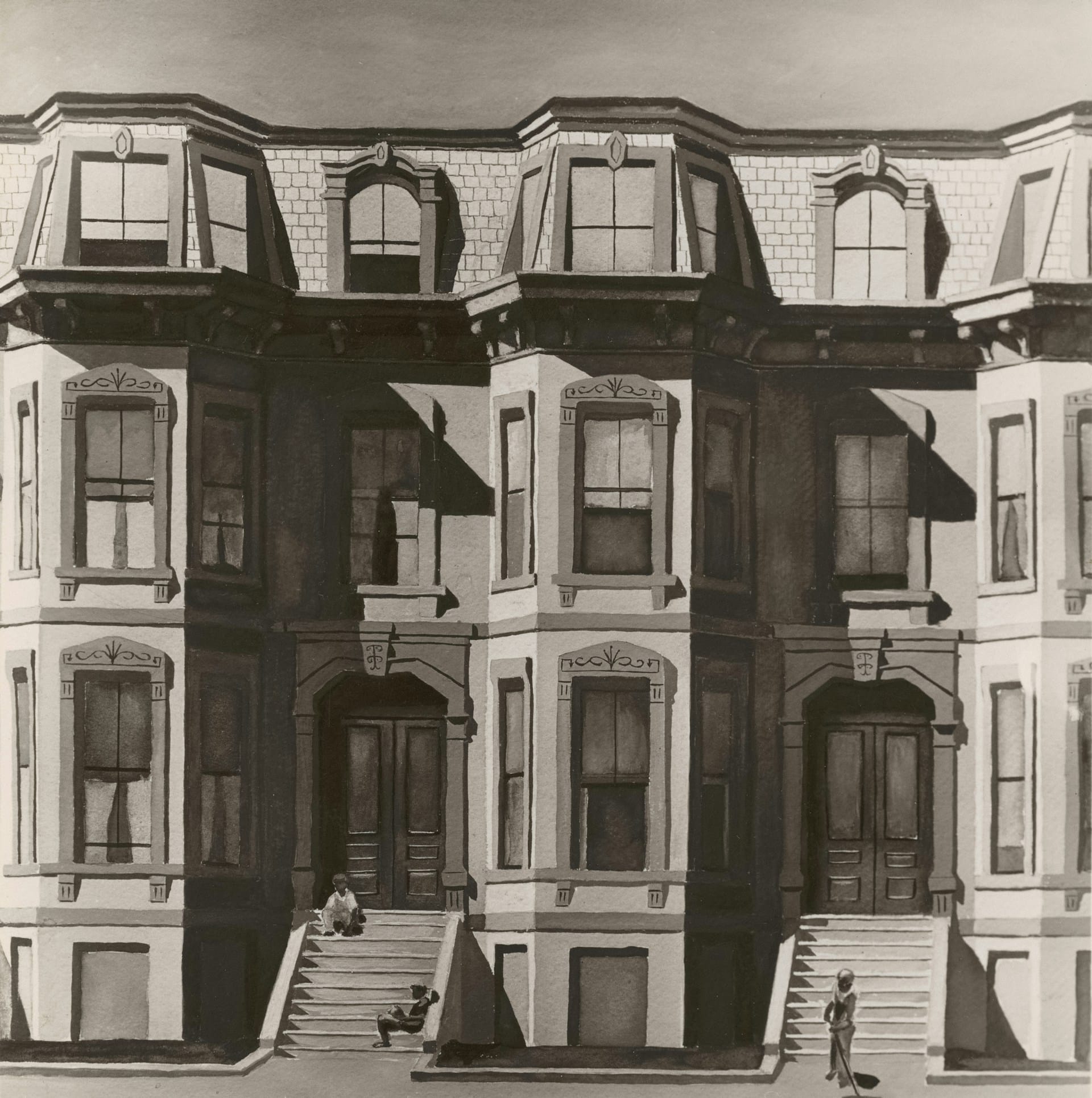
Why some staircases get used and others just get walked past
Most office staircases sit behind a fire door and get ignored in favor of the elevator. A few get used constantly, and the difference is rarely about the number of steps.
The ground floor decides whether a building belongs to the street or just occupies it
Skylines get the attention, but the first few feet above the sidewalk are what everyone who never sets foot inside actually experiences.