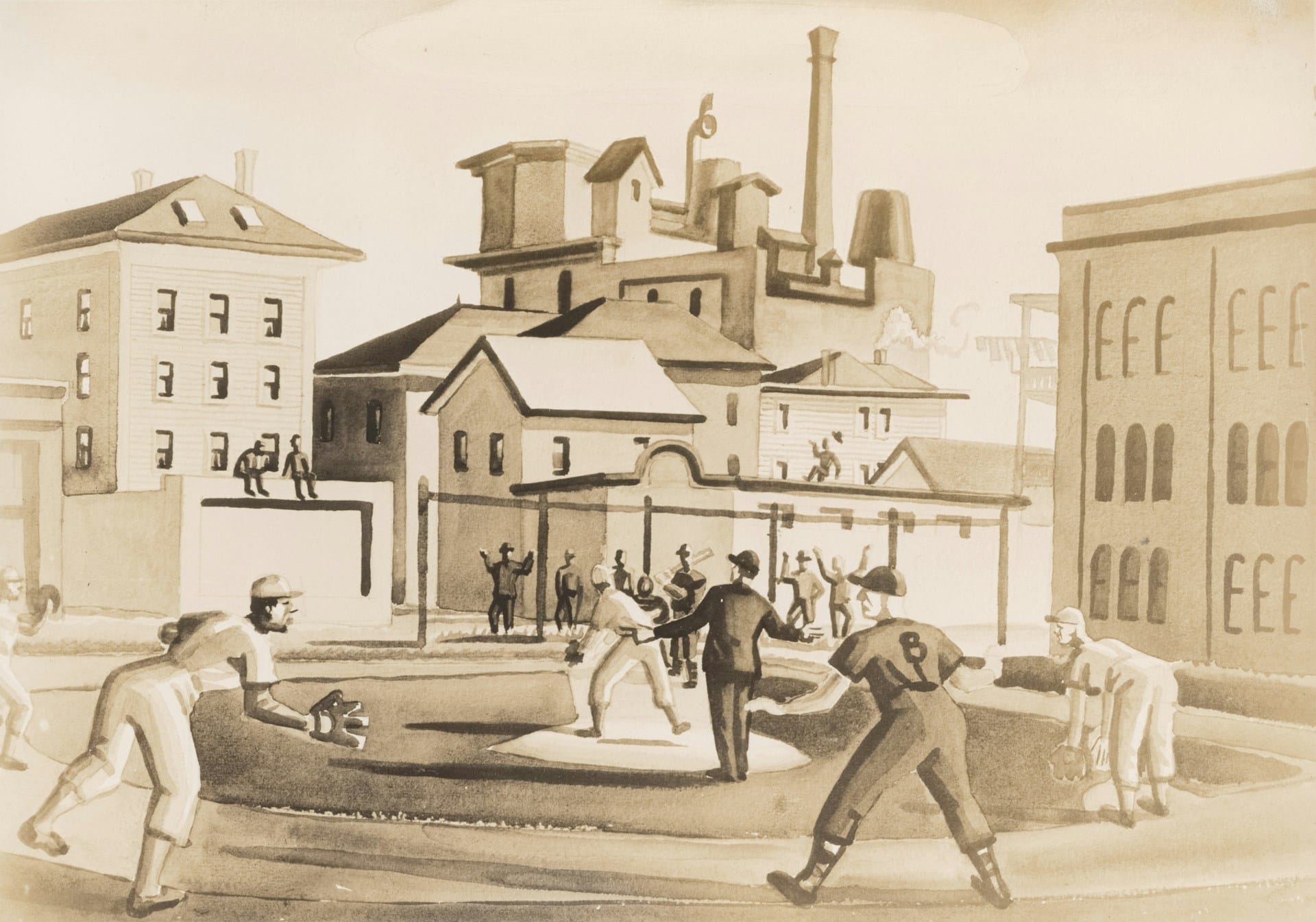

Heritage
Cultural history and how institutions choose to preserve and present it. What gets preserved, and how, says as much about present-day priorities as it does about the past itself.
The exhibit everyone praised on the way out is rarely the one they remember
Exit surveys measure enjoyment on the day of a visit. What actually stays with someone a year later often looks quite different from what they praised leaving.
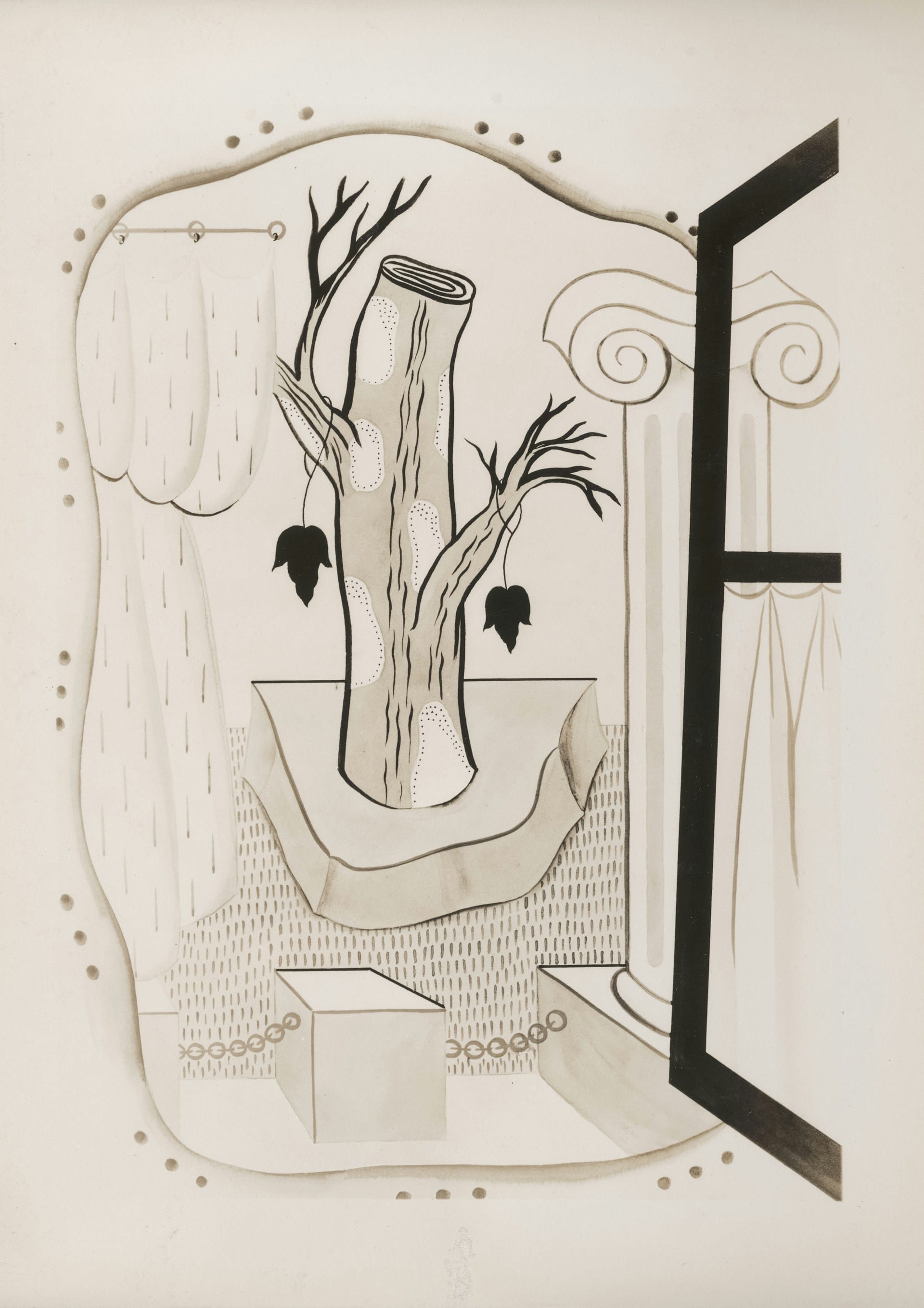
When an exhibit outlives the technology it was built on
Interactive exhibits built on specific hardware and software eventually face a problem plaques never do: the technology stops being supported.
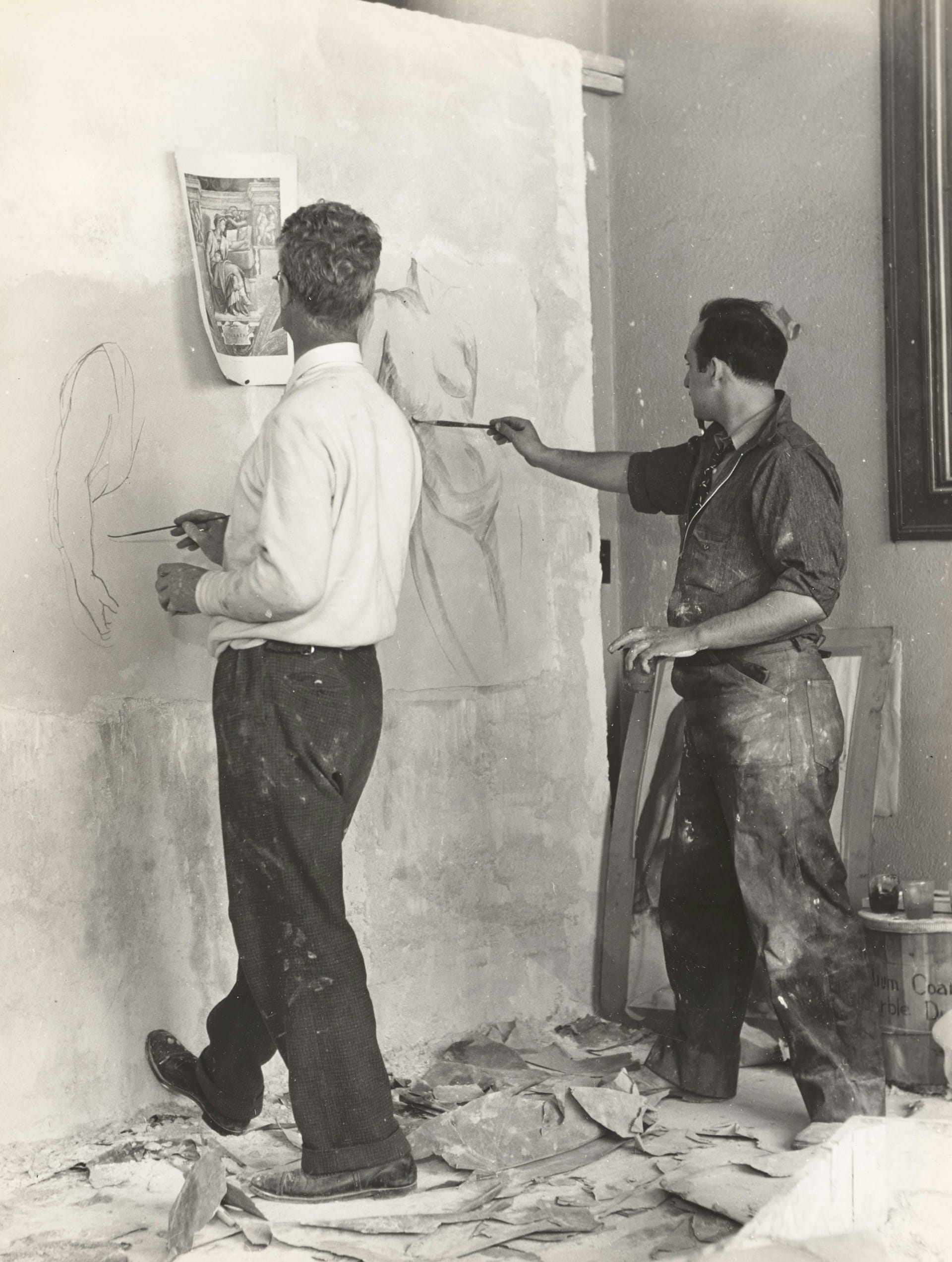
The children’s museum figured this out first
Interactive, hands-on exhibit design has existed in children’s museums for decades. Larger institutions are only now catching up to the same lesson.
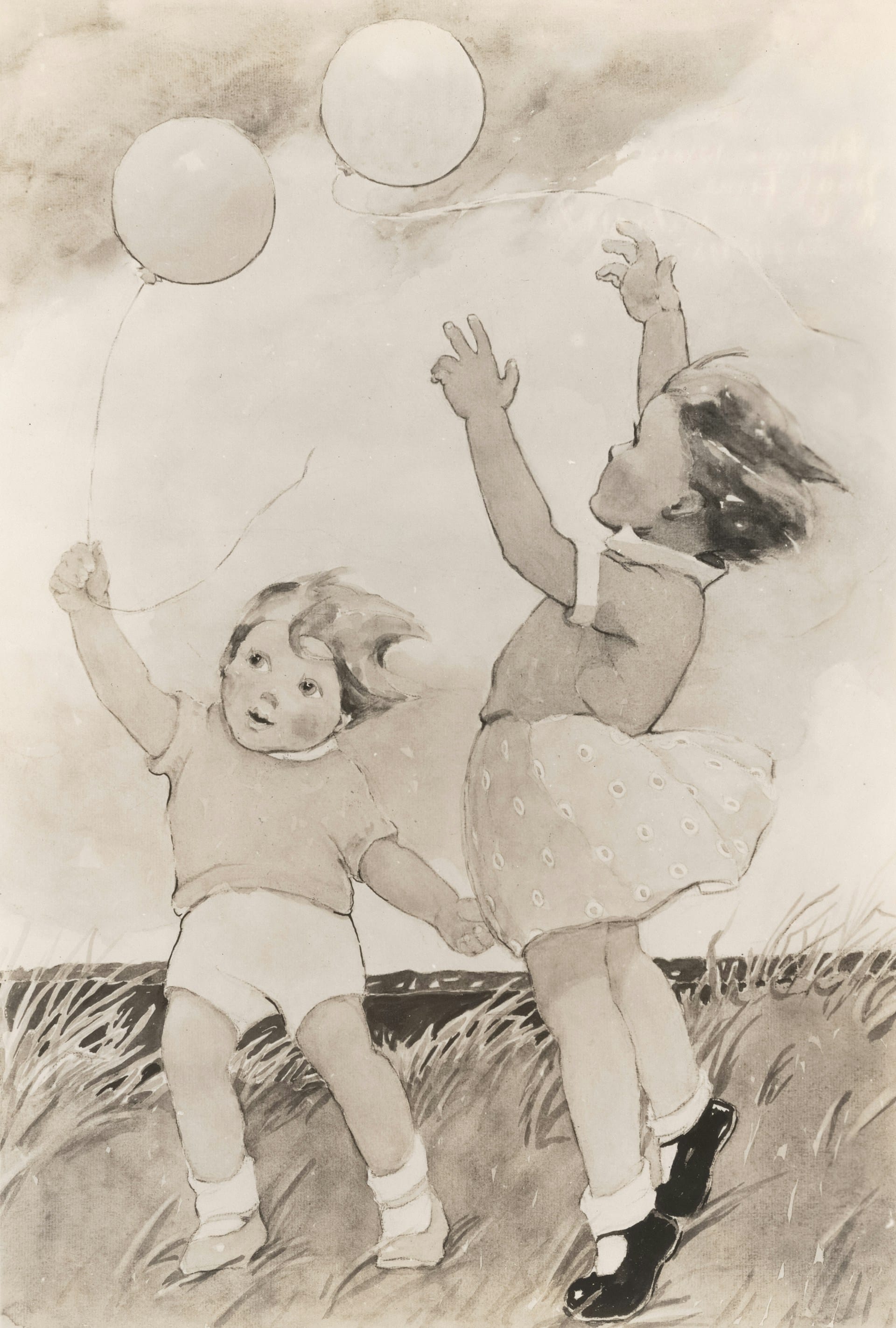
Why some exhibits reward a second visit more than a first
A well-designed exhibit can reveal something new on a second walk-through. A look at what makes a space rich enough to hold up under repeat attention.
Why some exhibits reward a second visit more than a first
A well-designed exhibit can reveal something new on a second walk-through. A look at what makes a space rich enough to hold up under repeat attention.
The public library keeps being asked to do jobs it wasn’t built for
A library was designed around books and quiet reading rooms. It has quietly become a city’s default answer for shelter, job search help, and childcare, often without the budget to match.
A renovated neighborhood rarely keeps the character that made it worth renovating
Investment follows character, then quietly prices it out. The result usually looks better in photographs and feels less specific to actually walk through.