

Heritage
Cultural history and how institutions choose to preserve and present it. What gets preserved, and how, says as much about present-day priorities as it does about the past itself.
Adaptive reuse turns an old building’s constraints into its best feature
The column grid of a former factory or the low ceilings of a converted warehouse look like limitations, until they become the thing that makes the new space feel like nowhere else.
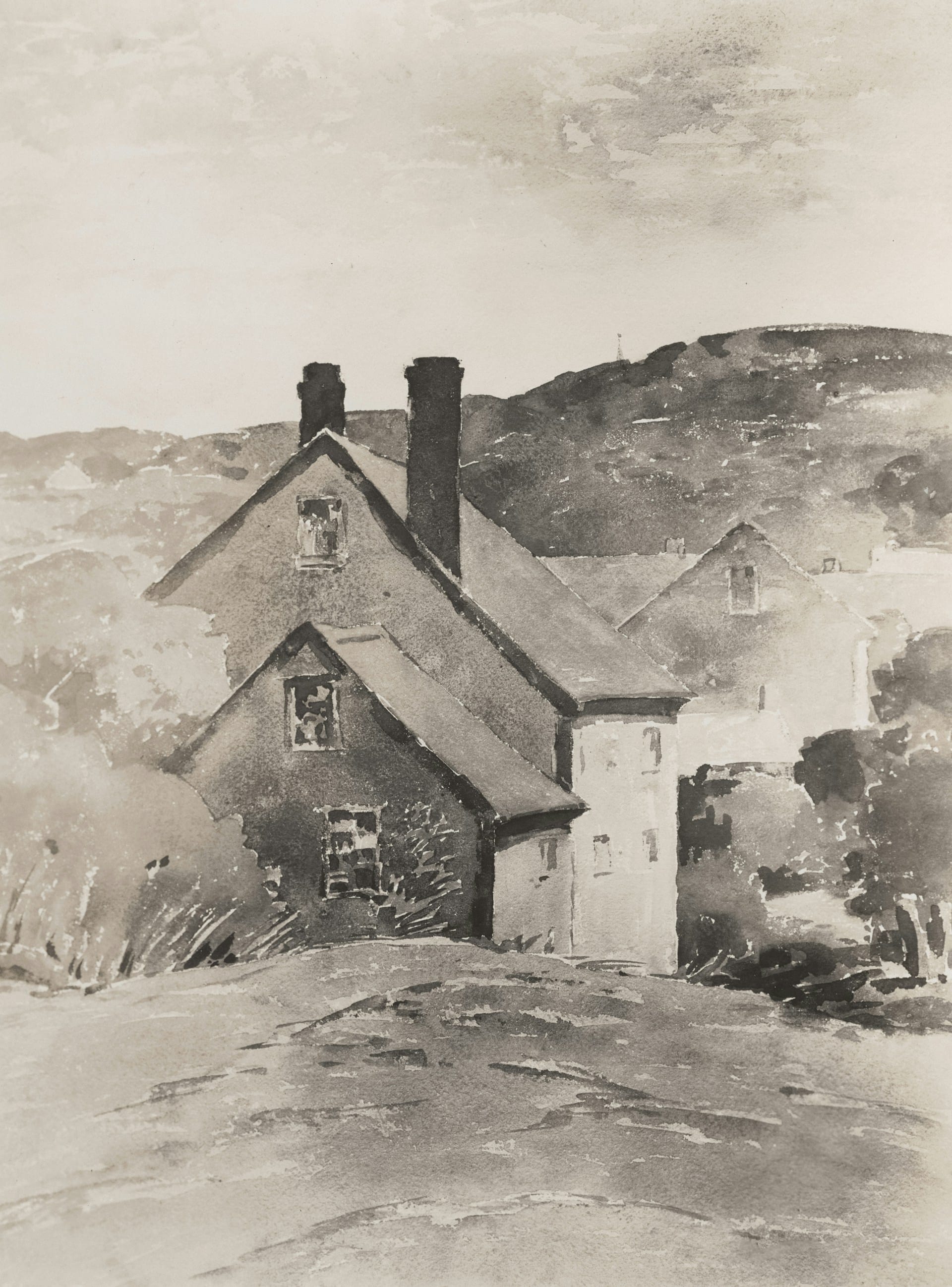
The public library keeps being asked to do jobs it wasn’t built for
A library was designed around books and quiet reading rooms. It has quietly become a city’s default answer for shelter, job search help, and childcare, often without the budget to match.
What a projection can do that a plaque cannot
A short comparison of two ways to explain an artifact’s history, and why one keeps visitors moving while the other makes them stop.
A renovated neighborhood rarely keeps the character that made it worth renovating
Investment follows character, then quietly prices it out. The result usually looks better in photographs and feels less specific to actually walk through.
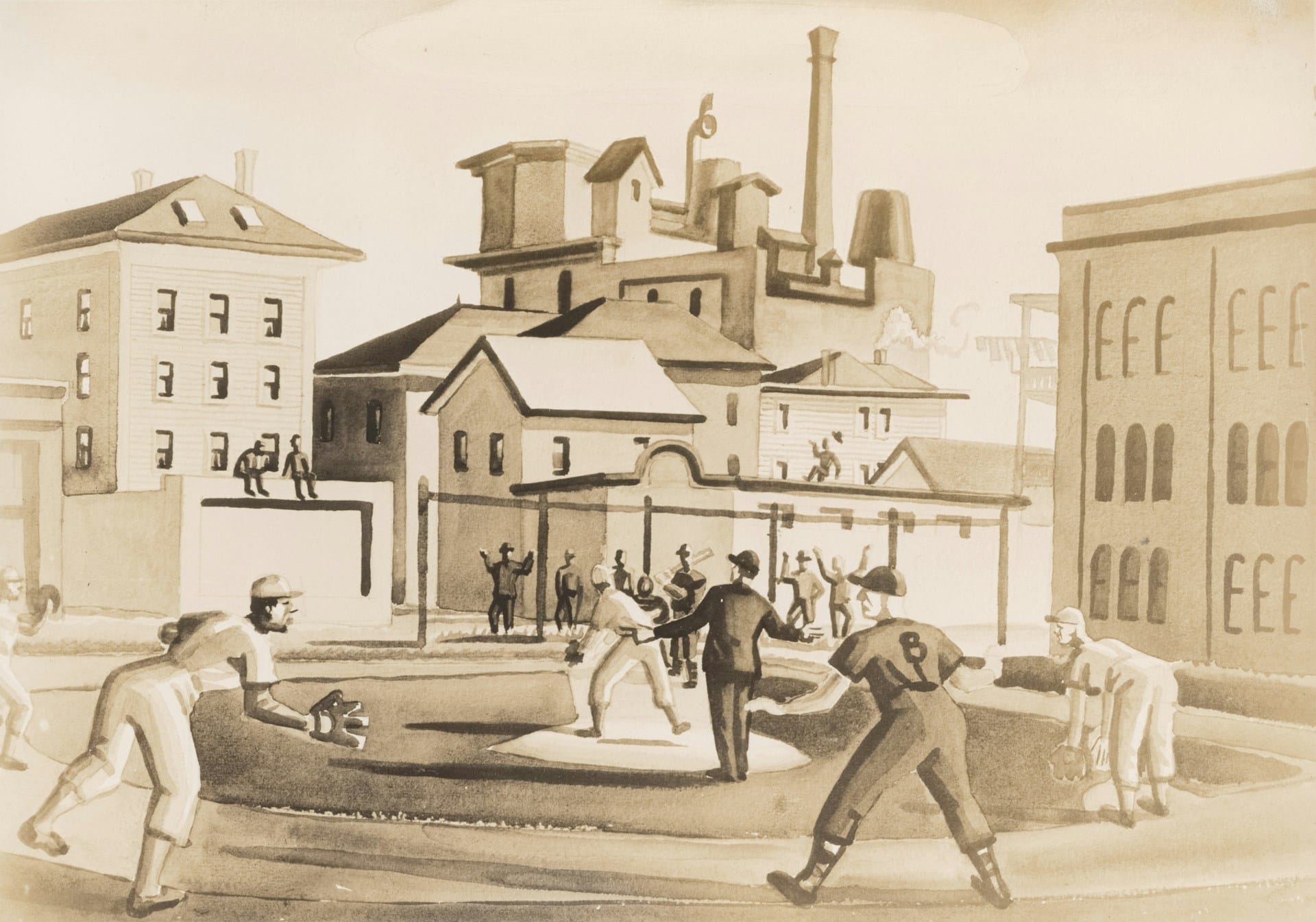
Why some exhibits reward a second visit more than a first
A well-designed exhibit can reveal something new on a second walk-through. A look at what makes a space rich enough to hold up under repeat attention.
The public library keeps being asked to do jobs it wasn’t built for
A library was designed around books and quiet reading rooms. It has quietly become a city’s default answer for shelter, job search help, and childcare, often without the budget to match.
A renovated neighborhood rarely keeps the character that made it worth renovating
Investment follows character, then quietly prices it out. The result usually looks better in photographs and feels less specific to actually walk through.