

Design
Deliberate choices about form, layout, and experience across physical and digital spaces. The best design decisions are frequently the ones a visitor never consciously registers as decisions at all.
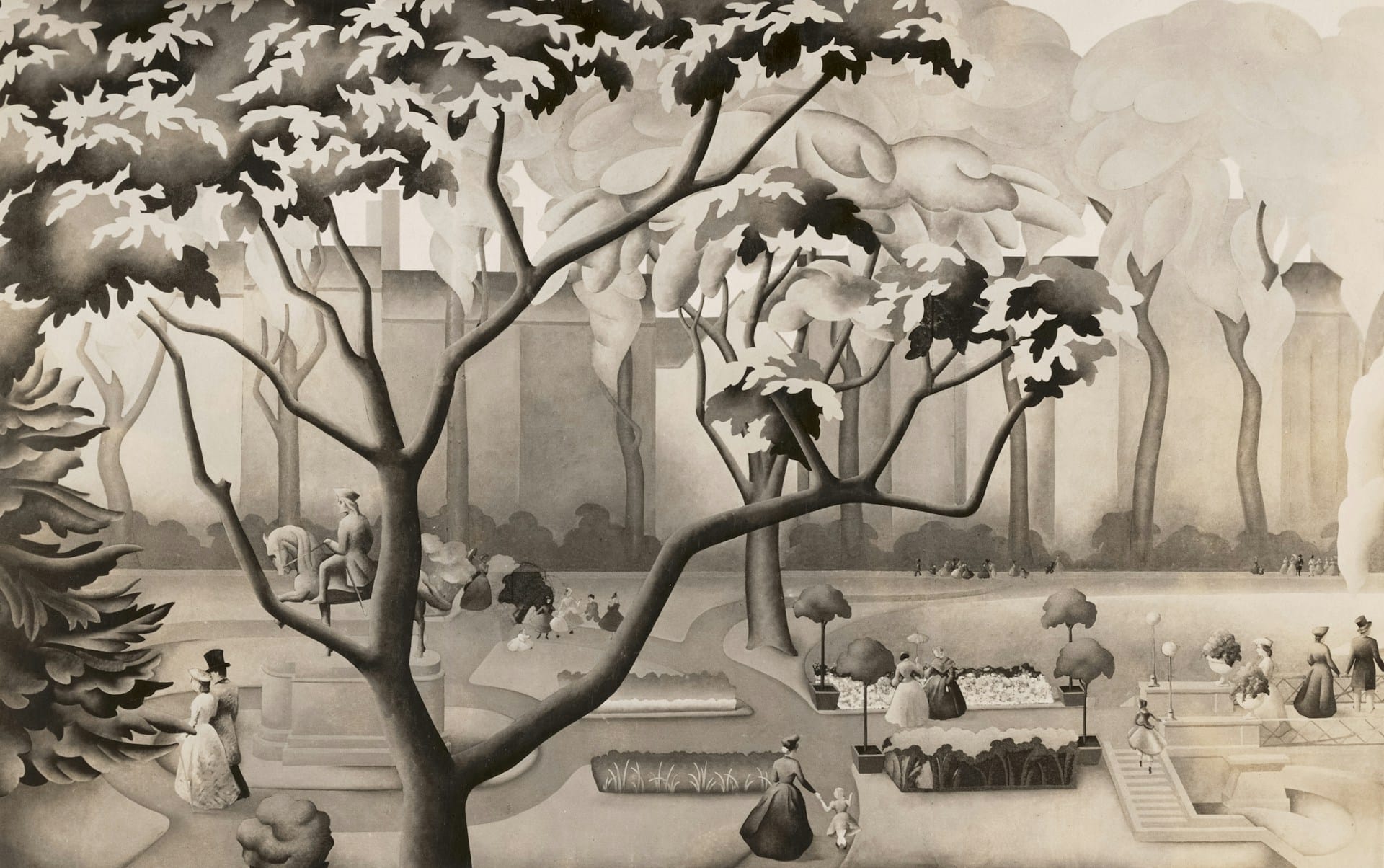
What a park bench says about who a city was actually designed for
A bench looks like a small, neutral piece of furniture. Where it’s placed, how long it invites you to stay, and who it’s built to exclude say more about a city’s priorities than most policy documents.
Designing for a wheelchair quietly made the whole building better
Curb cuts were built for wheelchairs and ended up serving strollers, delivery carts, and rolling luggage far more often. Accessible design keeps producing this pattern, almost by accident.
Daylight is the cheapest material an architect has, and the easiest to waste
A window costs less than almost anything else in a building’s budget, yet daylight is routinely the first thing value-engineered away when a project runs tight.
Why some exhibits reward a second visit more than a first
A well-designed exhibit can reveal something new on a second walk-through. A look at what makes a space rich enough to hold up under repeat attention.
What a park bench says about who a city was actually designed for
A bench looks like a small, neutral piece of furniture. Where it’s placed, how long it invites you to stay, and who it’s built to exclude say more about a city’s priorities than most policy documents.
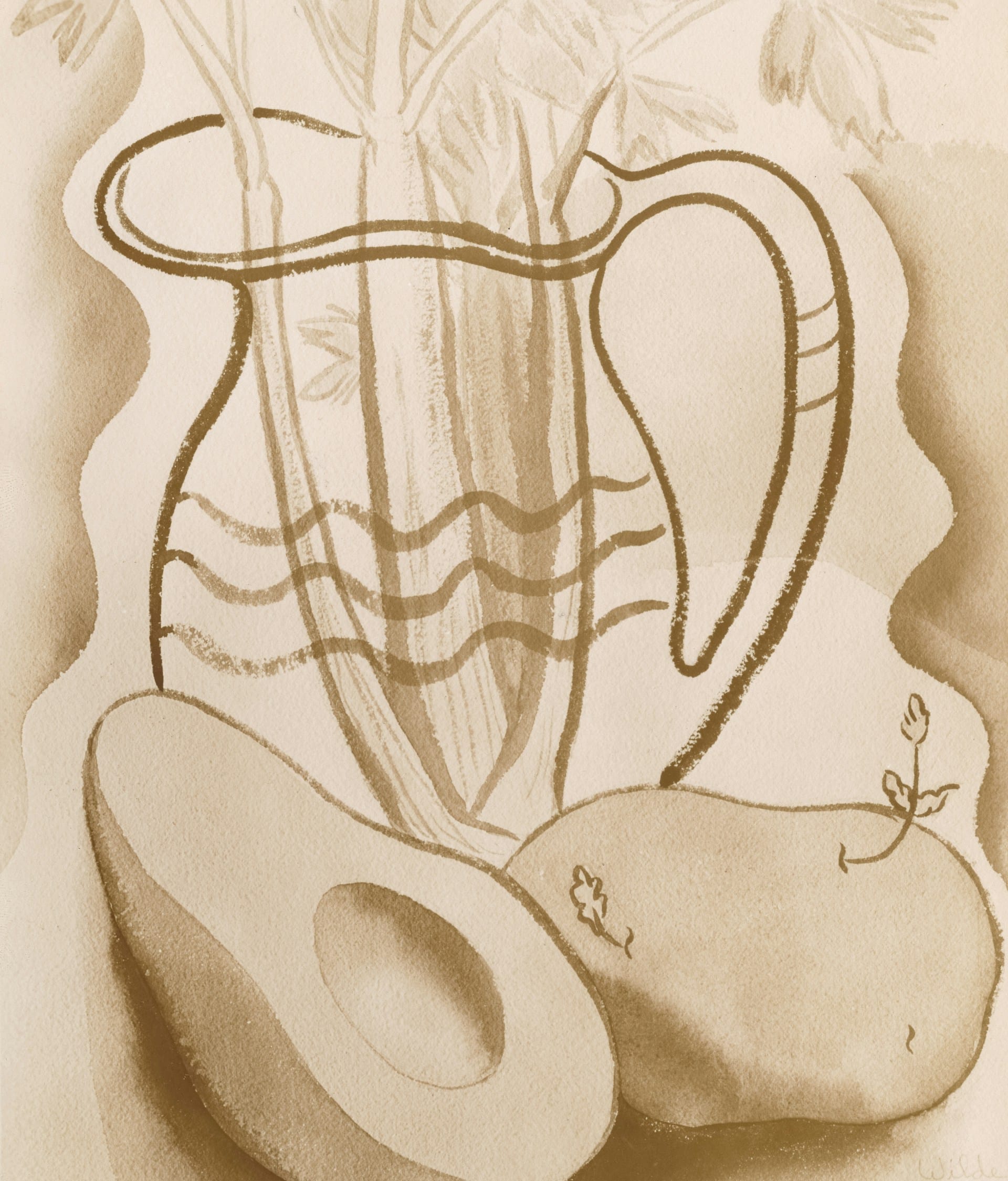
Designing for a wheelchair quietly made the whole building better
Curb cuts were built for wheelchairs and ended up serving strollers, delivery carts, and rolling luggage far more often. Accessible design keeps producing this pattern, almost by accident.
Why some exhibits reward a second visit more than a first
A well-designed exhibit can reveal something new on a second walk-through. A look at what makes a space rich enough to hold up under repeat attention.