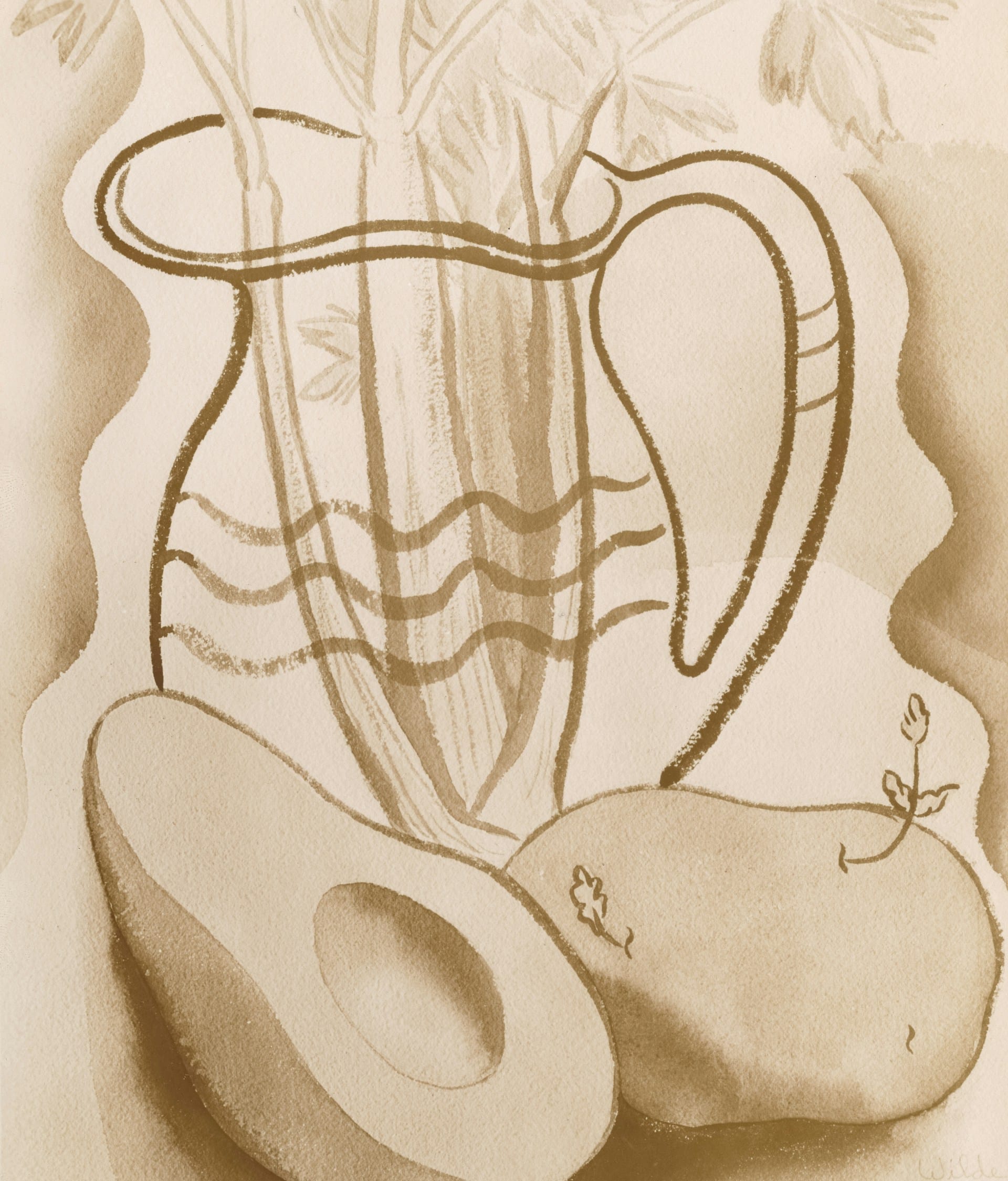

Design
Deliberate choices about form, layout, and experience across physical and digital spaces. The best design decisions are frequently the ones a visitor never consciously registers as decisions at all.
The curator’s new job is partly a director’s job
As exhibits lean on sound, light, and pacing, curatorial work is starting to overlap with film and theater direction more than archival scholarship.
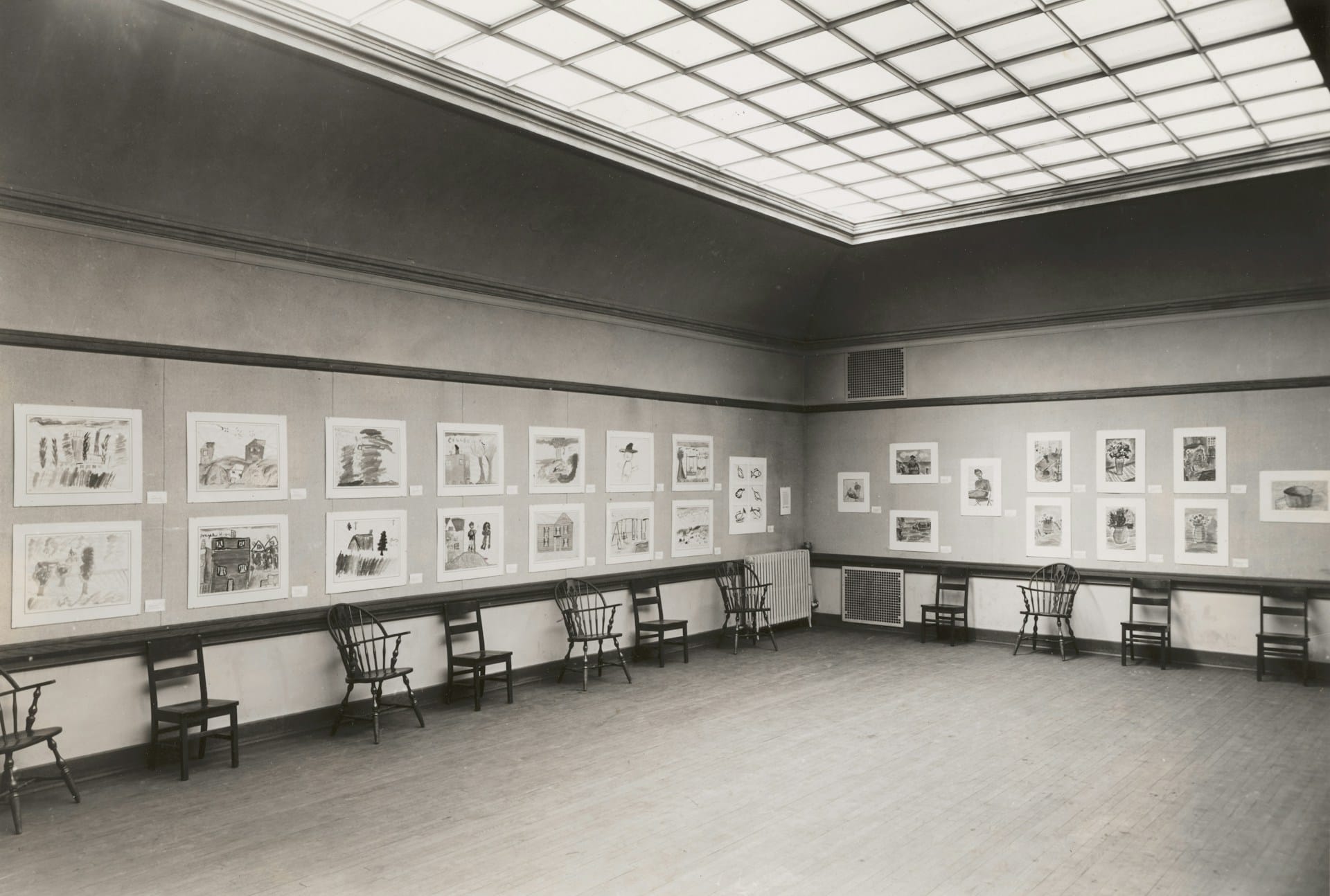
Why some staircases get used and others just get walked past
Most office staircases sit behind a fire door and get ignored in favor of the elevator. A few get used constantly, and the difference is rarely about the number of steps.
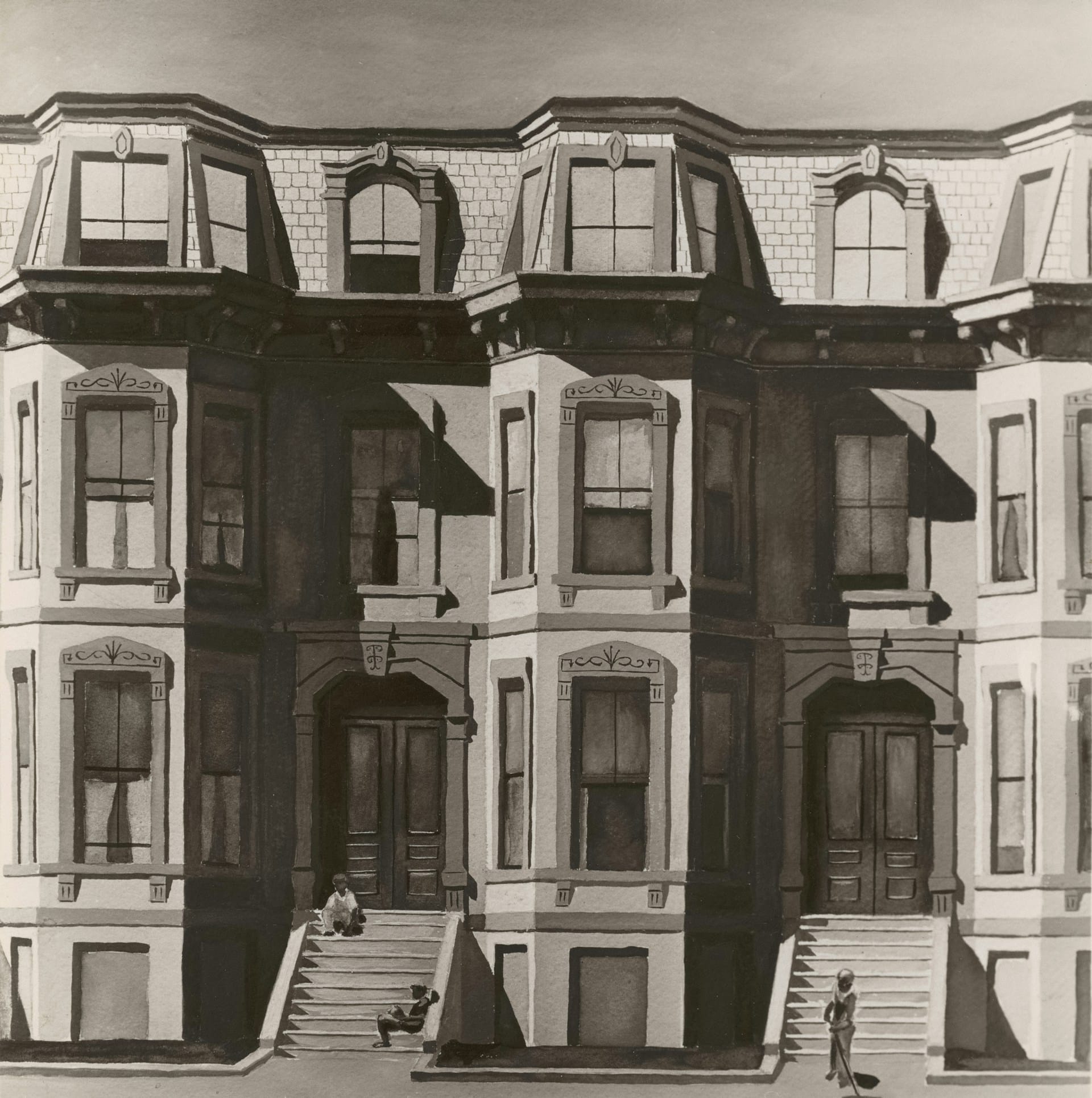
Streetlights quietly decide which parts of a city feel safe after dark
Two blocks with identical crime statistics can feel completely different at night. Often the only real difference is lighting, and where a city chooses to invest in it.
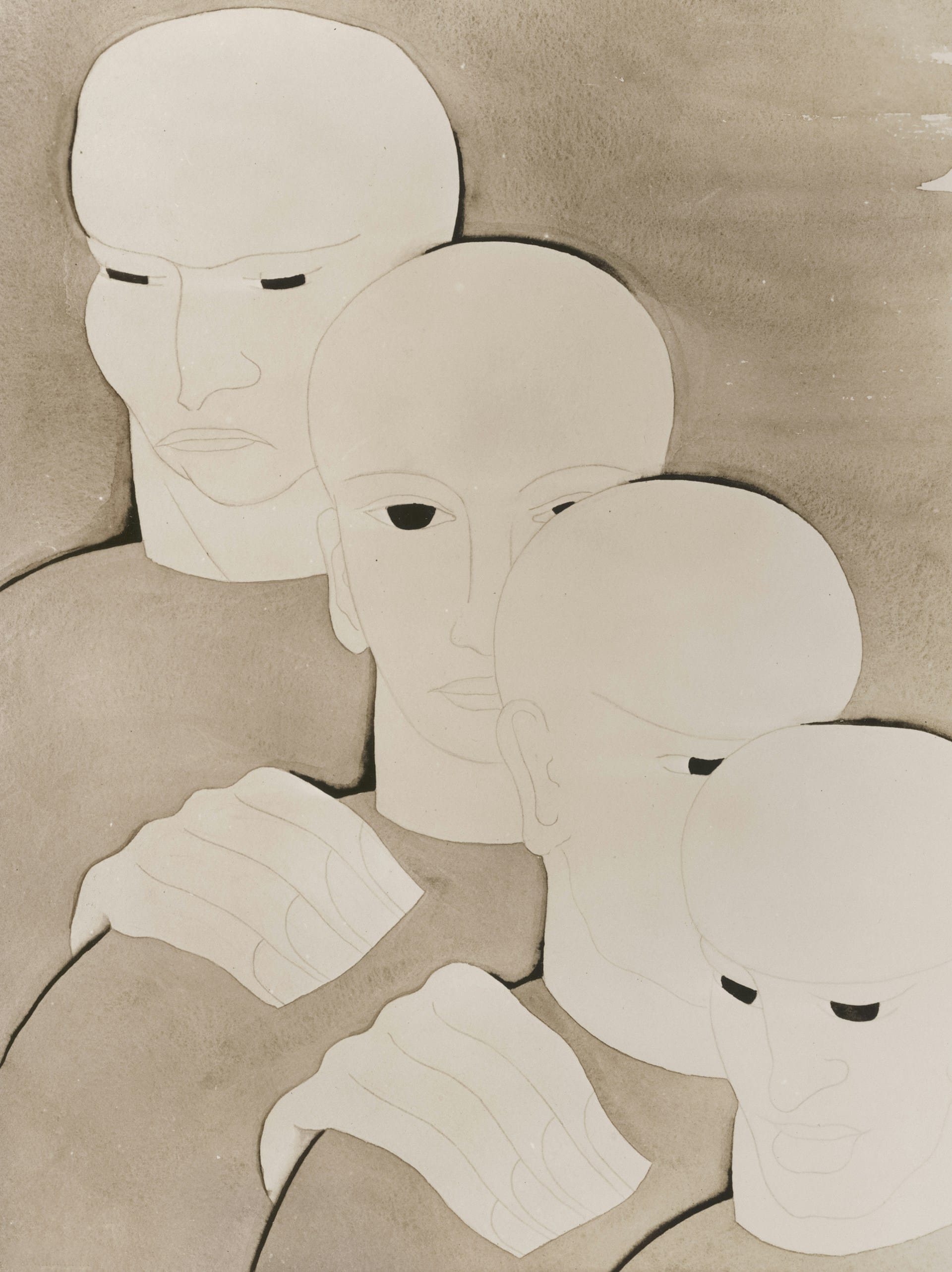
The ground floor decides whether a building belongs to the street or just occupies it
Skylines get the attention, but the first few feet above the sidewalk are what everyone who never sets foot inside actually experiences.
What a park bench says about who a city was actually designed for
A bench looks like a small, neutral piece of furniture. Where it’s placed, how long it invites you to stay, and who it’s built to exclude say more about a city’s priorities than most policy documents.
Designing for a wheelchair quietly made the whole building better
Curb cuts were built for wheelchairs and ended up serving strollers, delivery carts, and rolling luggage far more often. Accessible design keeps producing this pattern, almost by accident.
Why some exhibits reward a second visit more than a first
A well-designed exhibit can reveal something new on a second walk-through. A look at what makes a space rich enough to hold up under repeat attention.