
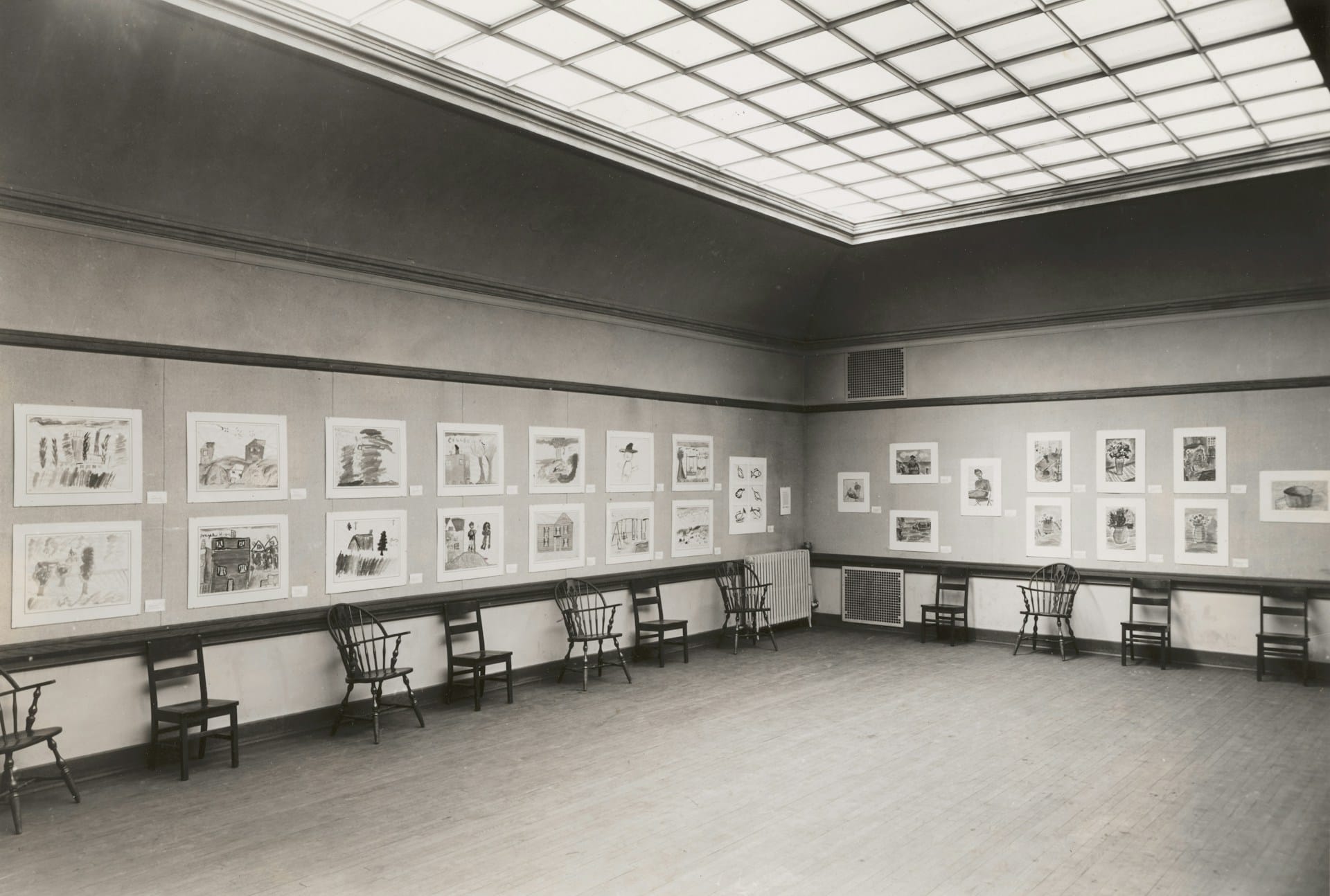
A curator’s job used to be defined mostly by scholarship: knowing which objects mattered, how they related to each other, and what story they told when placed in sequence. That knowledge still matters, but a growing share of the job now looks like something closer to directing — pacing a room, timing a reveal, deciding where sound should build tension and where it should fall away.
Why this shift happened
As exhibits added sound, light cues, and timed projections, they started to behave less like a sequence of objects and more like a scored experience moving through time. That kind of experience needs someone thinking about rhythm and pacing the way a film editor or theater director would, not just someone deciding which artifact goes next to which.
Museums that have adapted well tend to bring in people with backgrounds in exhibition design, sound design, or even stagecraft, working alongside curators rather than curators absorbing every new skill themselves. The strongest recent exhibits are usually the product of that collaboration, not of a single person doing both jobs.
A curator once decided what a visitor would see. Increasingly, the job is deciding what a visitor will feel, and when.
The risk of over-directing
Just as a film can be over-edited, an exhibit can be over-produced — every corner scored, every transition cued, with no room left for a visitor’s own attention to settle somewhere unplanned. Some of the best moments in a museum still come from someone stopping in front of an object nobody staged for them, and an exhibit designed with too heavy a directorial hand can crowd that out entirely.
Where this leaves the profession
Curatorial training has not fully caught up to this shift yet, which is part of why the strongest teams are increasingly interdisciplinary rather than led by a single curatorial voice. The scholarship is still the foundation. Increasingly, it is not the whole job.