

Community
The everyday networks, encounters, and shared spaces that hold a neighborhood or scene together. These bonds tend to form in unplanned, low-stakes moments rather than through anything official.
Why some staircases get used and others just get walked past
Most office staircases sit behind a fire door and get ignored in favor of the elevator. A few get used constantly, and the difference is rarely about the number of steps.
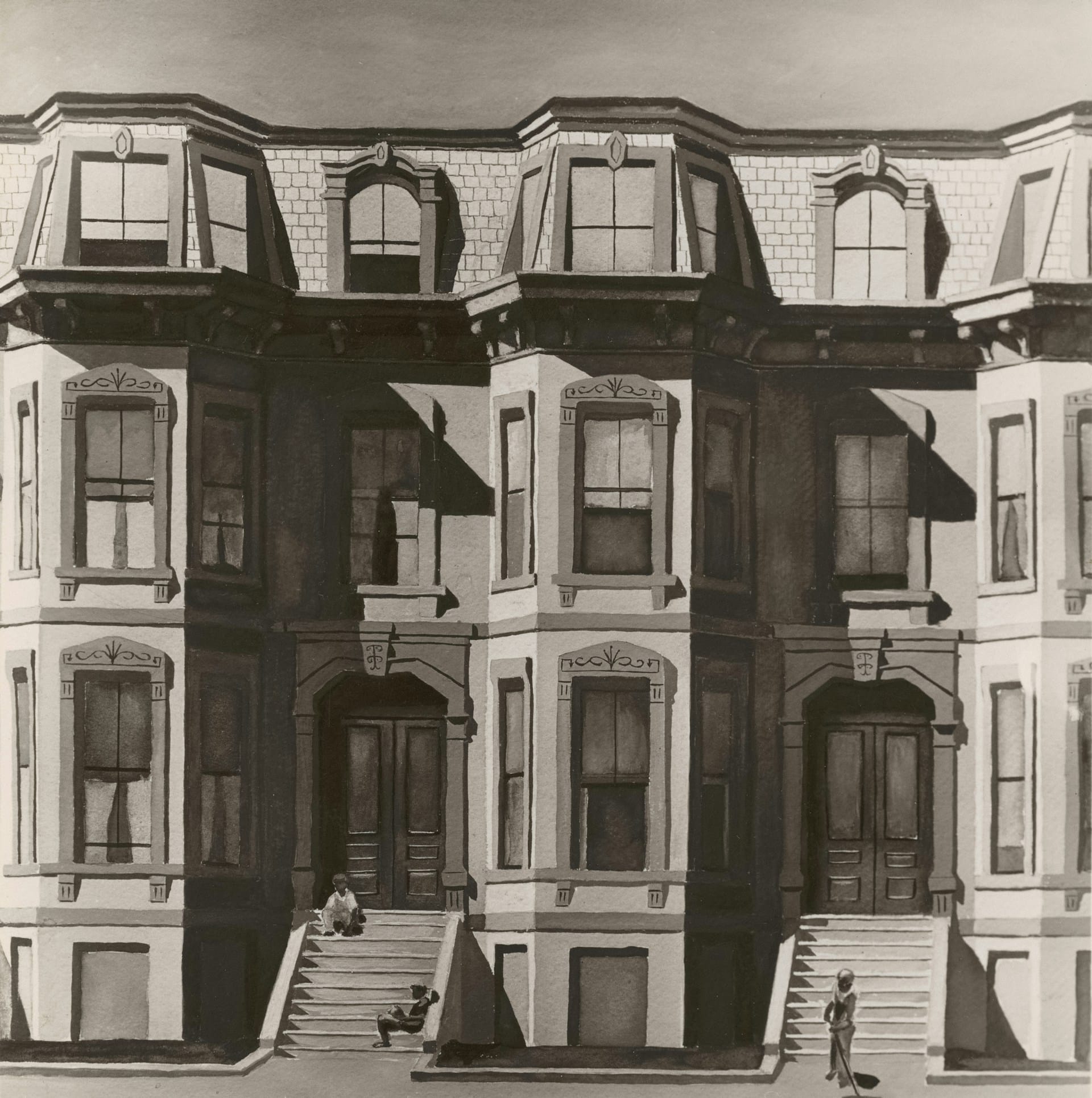
The public library keeps being asked to do jobs it wasn’t built for
A library was designed around books and quiet reading rooms. It has quietly become a city’s default answer for shelter, job search help, and childcare, often without the budget to match.
Streetlights quietly decide which parts of a city feel safe after dark
Two blocks with identical crime statistics can feel completely different at night. Often the only real difference is lighting, and where a city chooses to invest in it.
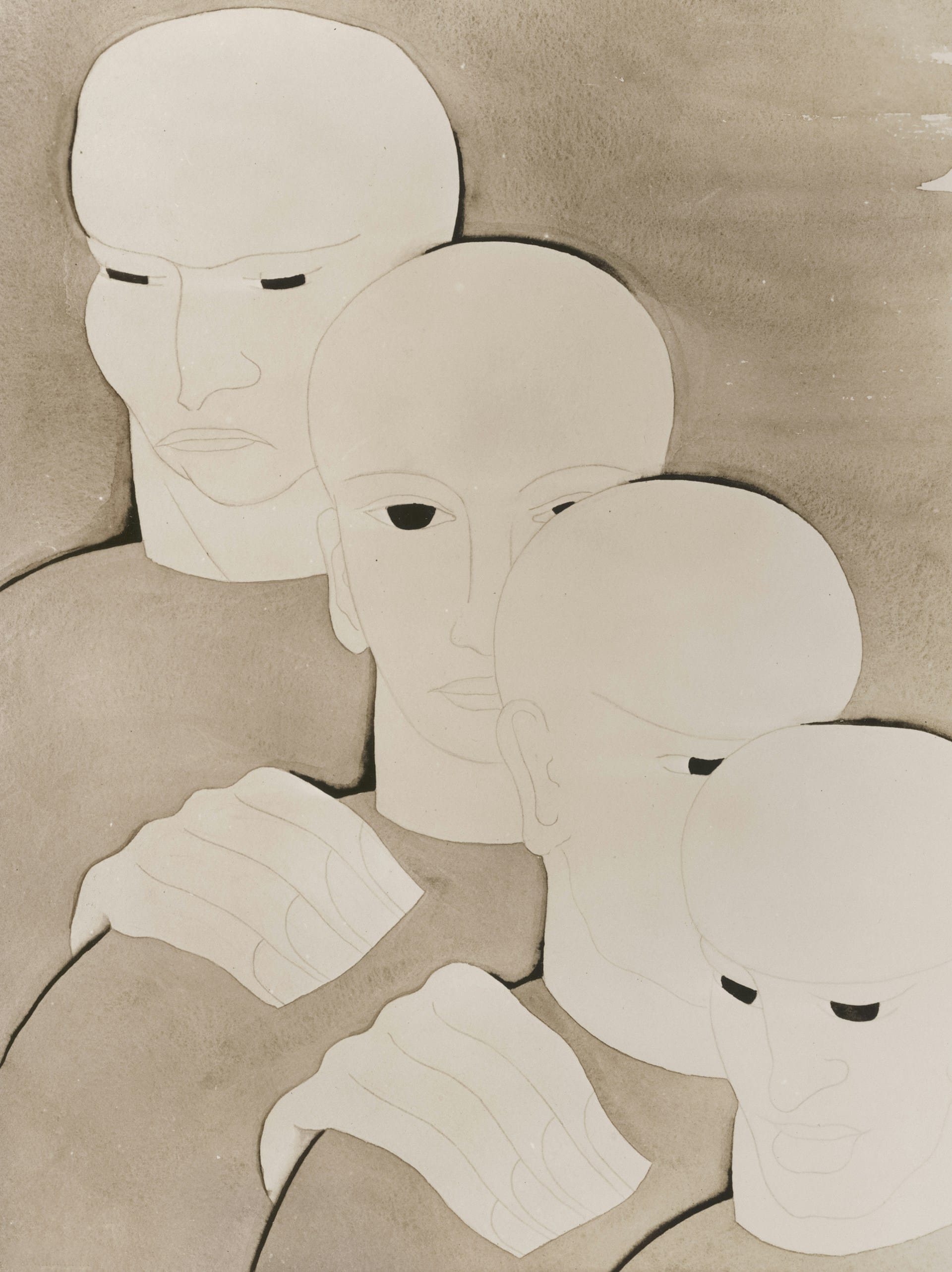
What a projection can do that a plaque cannot
A short comparison of two ways to explain an artifact’s history, and why one keeps visitors moving while the other makes them stop.
What a park bench says about who a city was actually designed for
A bench looks like a small, neutral piece of furniture. Where it’s placed, how long it invites you to stay, and who it’s built to exclude say more about a city’s priorities than most policy documents.
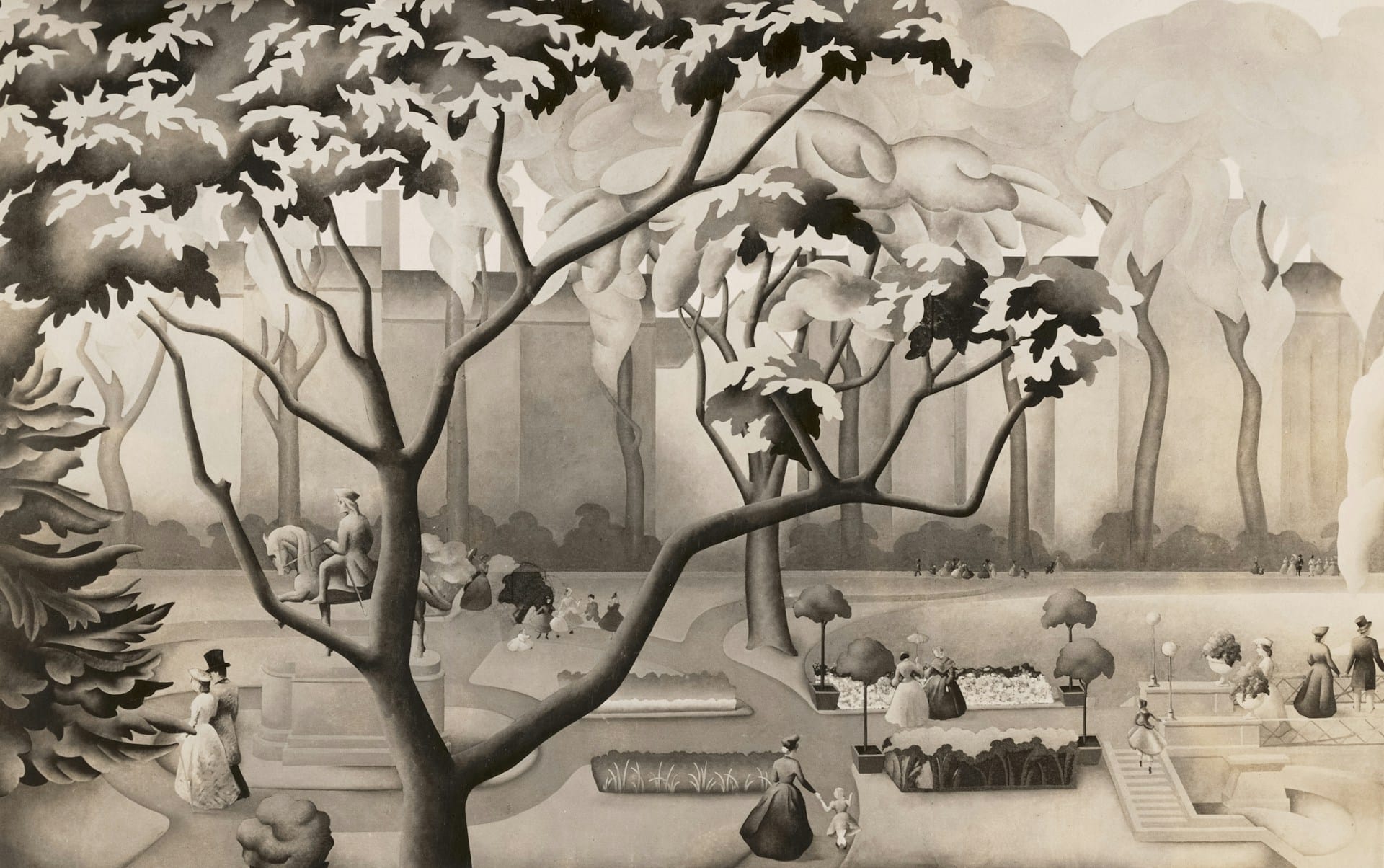
Designing for a wheelchair quietly made the whole building better
Curb cuts were built for wheelchairs and ended up serving strollers, delivery carts, and rolling luggage far more often. Accessible design keeps producing this pattern, almost by accident.
Sound design is doing more work than visitors notice
Ambient sound shapes how long visitors linger and how they feel in a space, often without them consciously registering that sound is involved at all.