

Community
The everyday networks, encounters, and shared spaces that hold a neighborhood or scene together. These bonds tend to form in unplanned, low-stakes moments rather than through anything official.
A renovated neighborhood rarely keeps the character that made it worth renovating
Investment follows character, then quietly prices it out. The result usually looks better in photographs and feels less specific to actually walk through.
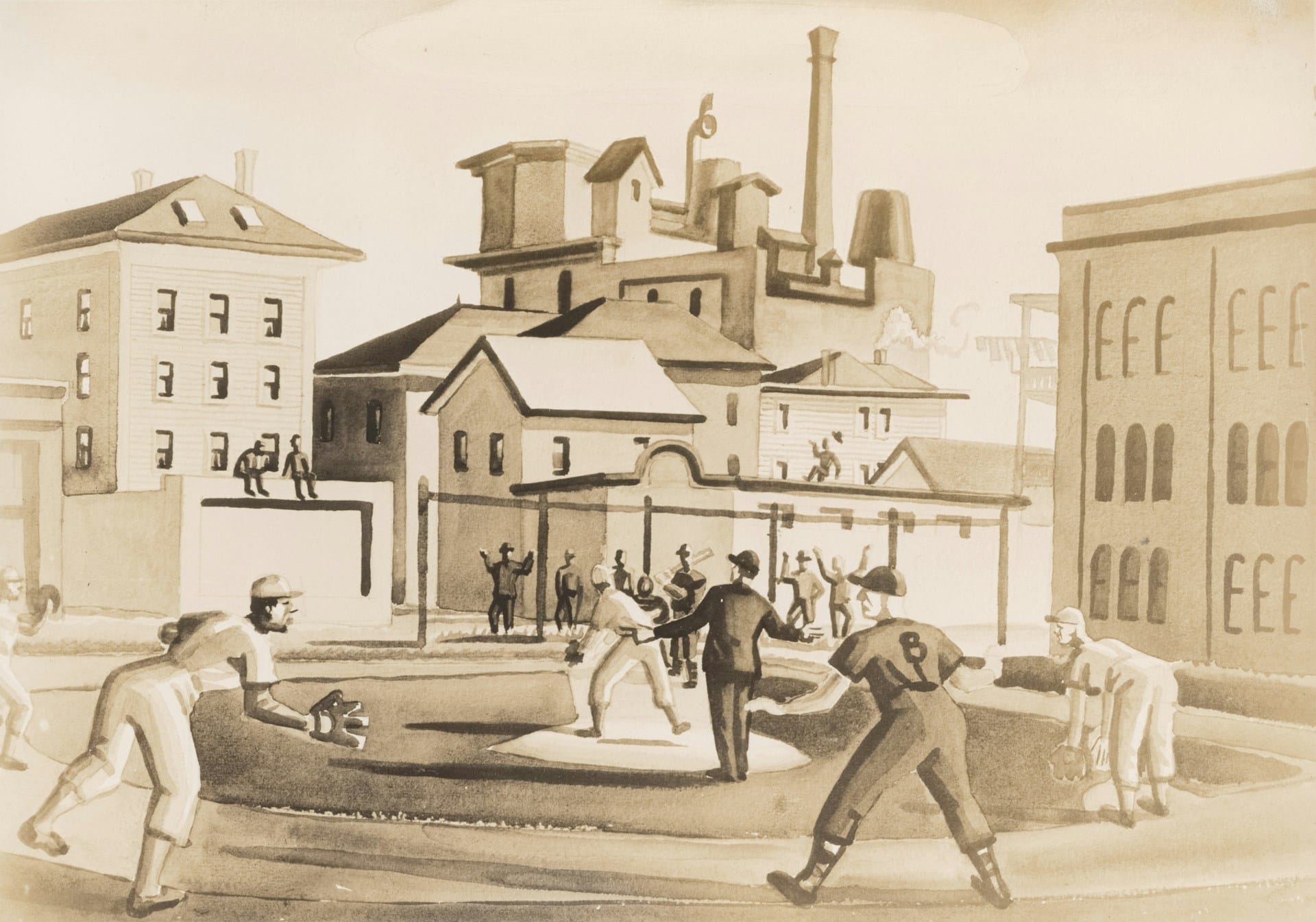
A good street market is harder to plan than it looks
A market feels effortless when it works — stalls, noise, people moving slowly. Almost none of that happens by accident, and most planned attempts to recreate it feel flat.
What a park bench says about who a city was actually designed for
A bench looks like a small, neutral piece of furniture. Where it’s placed, how long it invites you to stay, and who it’s built to exclude say more about a city’s priorities than most policy documents.

Designing for a wheelchair quietly made the whole building better
Curb cuts were built for wheelchairs and ended up serving strollers, delivery carts, and rolling luggage far more often. Accessible design keeps producing this pattern, almost by accident.
Sound design is doing more work than visitors notice
Ambient sound shapes how long visitors linger and how they feel in a space, often without them consciously registering that sound is involved at all.