
Ikiru

What’s new

The third place that isn’t home or work is quietly disappearing

∙ 1 min read Public
Damian Erdman
in Cities

Cafés, corner shops, and stoops used to absorb the unplanned parts of a day. As they close or get privatized, that in-between time doesn’t relocate — it just stops happening.

The third place that isn’t home or work is quietly disappearing

Sociologists have a name for the places that are neither home nor work — the café, the barbershop, the corner store, the stoop — where people gather without an agenda and stay without a reason. These "third places" have never been essential in any measurable sense. What they quietly provide is the unplanned, low-stakes contact that keeps a neighborhood feeling like a neighborhood rather than a collection of addresses.

What a third place actually does

A third place asks almost nothing of the people in it. No purchase is strictly required to sit for a while, no appointment is needed, and the conversation, if it happens at all, can end whenever either person wants it to. That low commitment is the entire mechanism — it’s precisely what makes a third place accessible to people who wouldn’t otherwise organize a get-together, and what lets loose acquaintances slowly become something closer over months of small, repeated, unplanned contact.
The rarest thing in a city is not space, it’s quiet

∙ 2 min read Public
Nichole Becker
in Cities

Cities solve for density, transit, and housing constantly. Almost none of them treat acoustic quiet as a resource worth protecting on purpose, until residents are already exhausted by its absence.

Ask what’s genuinely scarce in a dense city and most people will name housing, parking, or green space. Fewer name quiet, even though it may be the resource residents encounter the shortage of most constantly — in traffic noise that never fully stops, construction that runs for years block by block, and the low, continuous hum that most urban dwellers eventually stop consciously registering, even as it keeps costing them something.

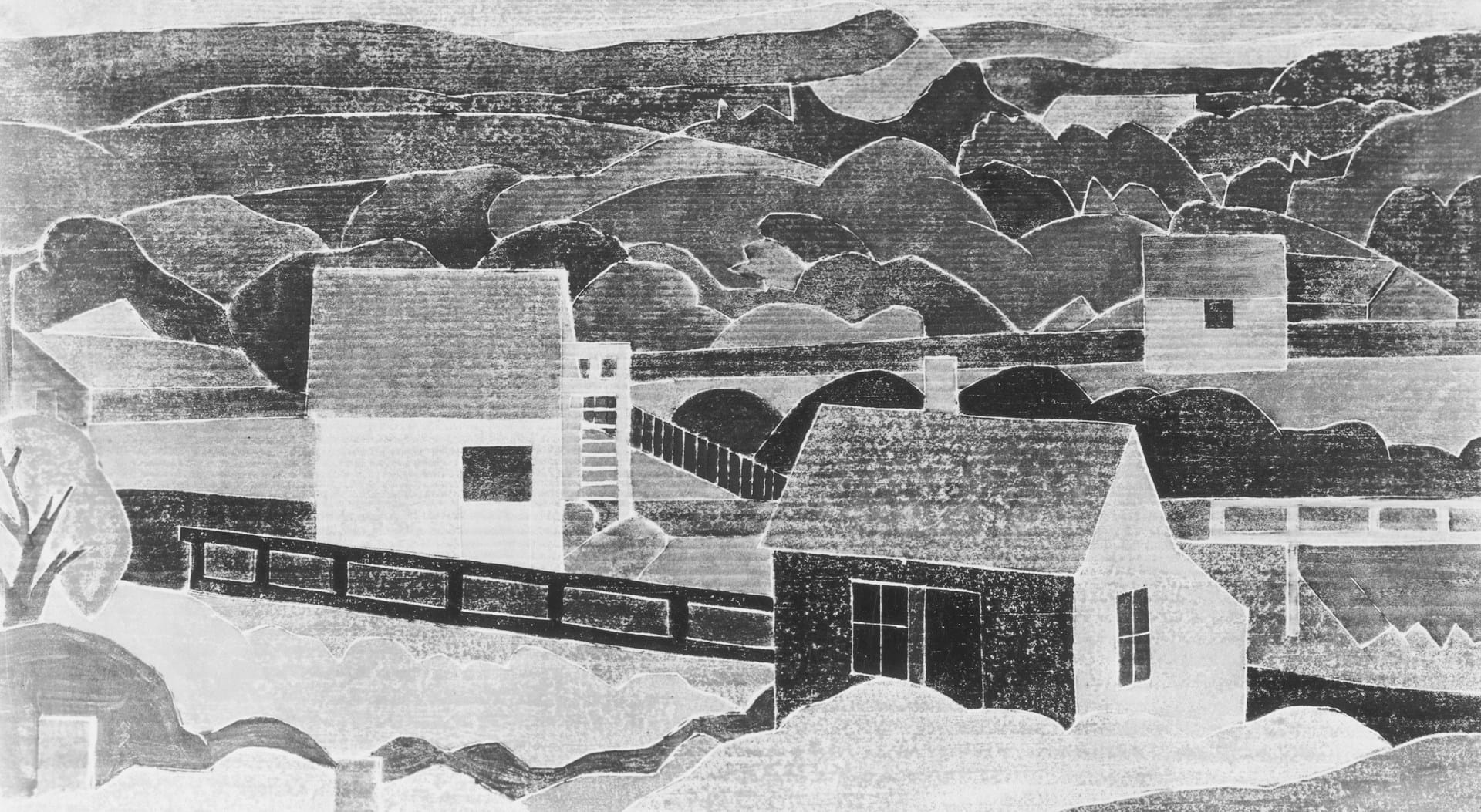
Photo by Boston Public Library

Why noise gets treated as unavoidable rather than designed

Unlike housing or transit, urban noise rarely gets treated as a resource to actively manage. It’s more often accepted as an unavoidable byproduct of density, addressed reactively through complaint-driven enforcement rather than through deliberate design choices made upstream — building placement, material selection, traffic routing, zoning that separates loud uses from quiet ones. Cities that do treat acoustic design seriously tend to do so only after noise complaints become politically unavoidable, rather than as a standard part of planning from the start.

Why some exhibits reward a second visit more than a first

∙ 3 min read Public
Breana Flatley
in Museums
Path ∙ Museums & new media Part 4 of 8

A well-designed exhibit can reveal something new on a second walk-through. A look at what makes a space rich enough to hold up under repeat attention.

Why some exhibits reward a second visit more than a first

Most exhibits are designed to be fully understood in one pass. A smaller number are built with enough layered detail that a second visit reveals something a first one genuinely missed, and those exhibits tend to be remembered longer and recommended more often than ones that give up everything on the first walk-through.

The curator’s new job is partly a director’s job

∙ 1 min read Public
Daryl Wehner
in Museums
Path ∙ Museums & new media Part 3 of 8

As exhibits lean on sound, light, and pacing, curatorial work is starting to overlap with film and theater direction more than archival scholarship.

The curator’s new job is partly a director’s job

A curator’s job used to be defined mostly by scholarship: knowing which objects mattered, how they related to each other, and what story they told when placed in sequence. That knowledge still matters, but a growing share of the job now looks like something closer to directing — pacing a room, timing a reveal, deciding where sound should build tension and where it should fall away.

Why this shift happened

As exhibits added sound, light cues, and timed projections, they started to behave less like a sequence of objects and more like a scored experience moving through time. That kind of experience needs someone thinking about rhythm and pacing the way a film editor or theater director would, not just someone deciding which artifact goes next to which.

Featured articles See all