

Culture
How institutions, scenes, and shared spaces shape the way people experience and value things. Culture is rarely handed down from a single decision—it accumulates from thousands of small, ordinary choices over time.
The public library keeps being asked to do jobs it wasn’t built for
A library was designed around books and quiet reading rooms. It has quietly become a city’s default answer for shelter, job search help, and childcare, often without the budget to match.
A renovated neighborhood rarely keeps the character that made it worth renovating
Investment follows character, then quietly prices it out. The result usually looks better in photographs and feels less specific to actually walk through.
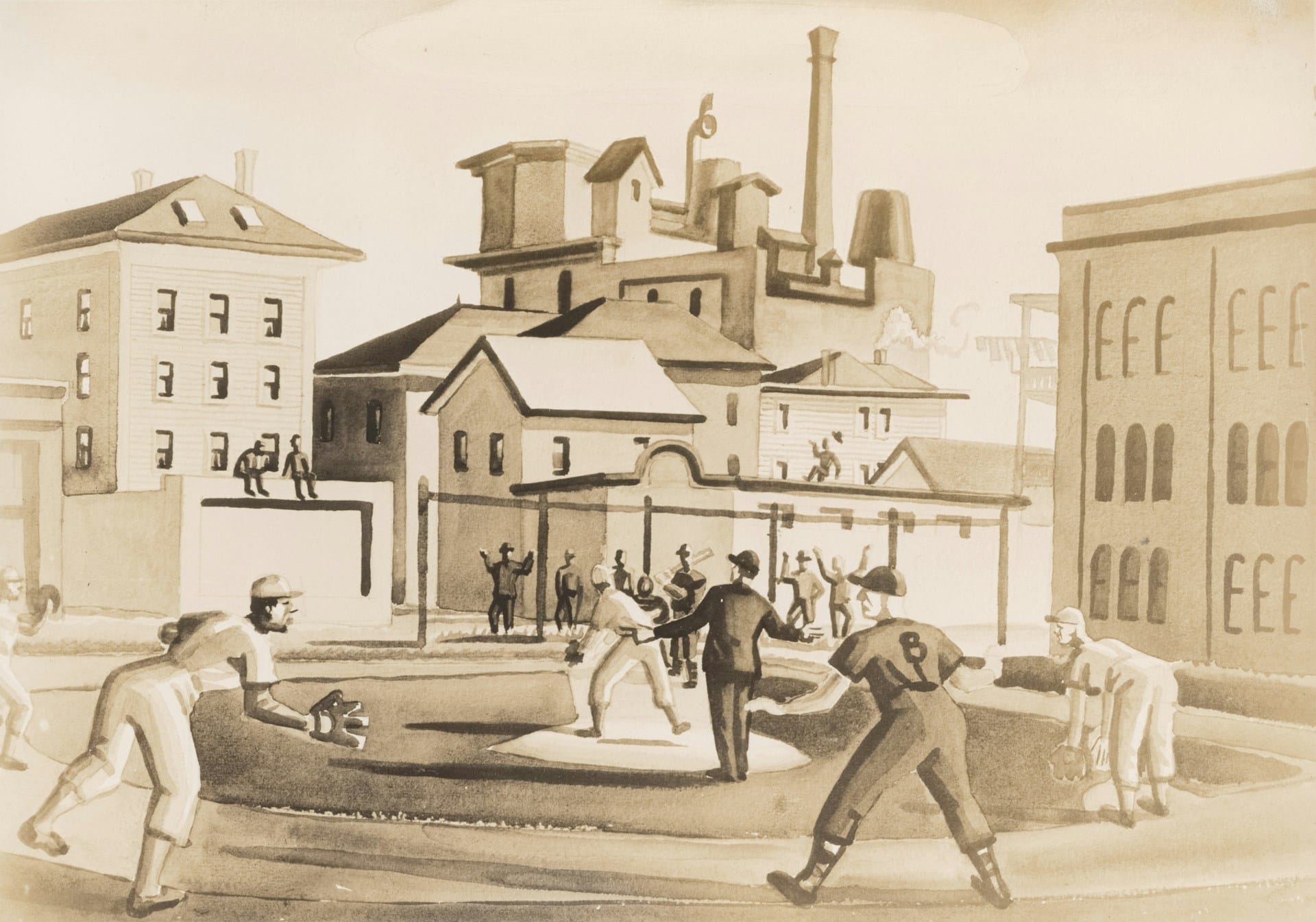
A good street market is harder to plan than it looks
A market feels effortless when it works — stalls, noise, people moving slowly. Almost none of that happens by accident, and most planned attempts to recreate it feel flat.
Museums are embracing new media for storytelling
Projection, sound design, and interactive displays are changing what a museum visit feels like. A look at what is actually being gained and lost.
What a park bench says about who a city was actually designed for
A bench looks like a small, neutral piece of furniture. Where it’s placed, how long it invites you to stay, and who it’s built to exclude say more about a city’s priorities than most policy documents.
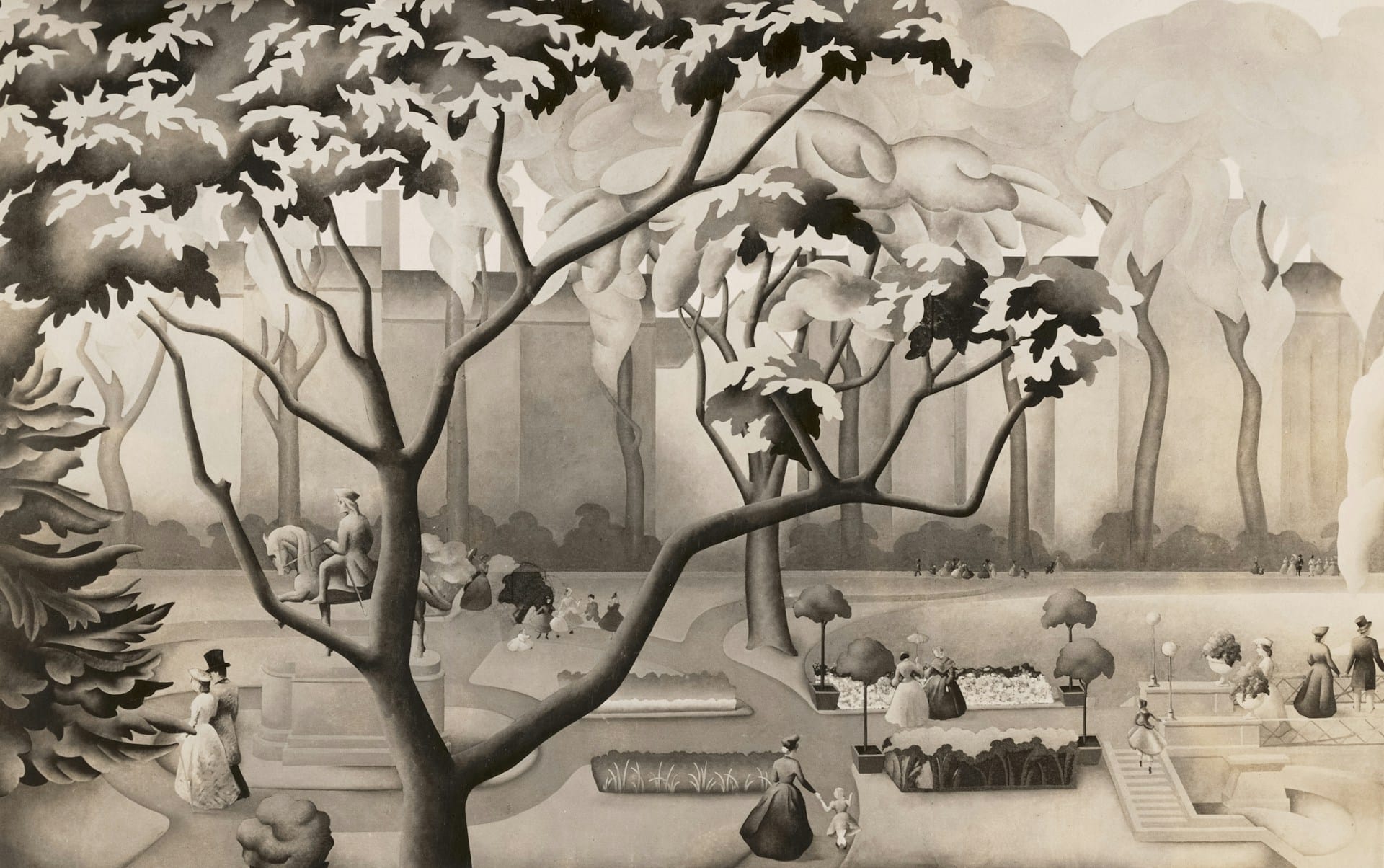
Why some exhibits reward a second visit more than a first
A well-designed exhibit can reveal something new on a second walk-through. A look at what makes a space rich enough to hold up under repeat attention.
The public library keeps being asked to do jobs it wasn’t built for
A library was designed around books and quiet reading rooms. It has quietly become a city’s default answer for shelter, job search help, and childcare, often without the budget to match.