
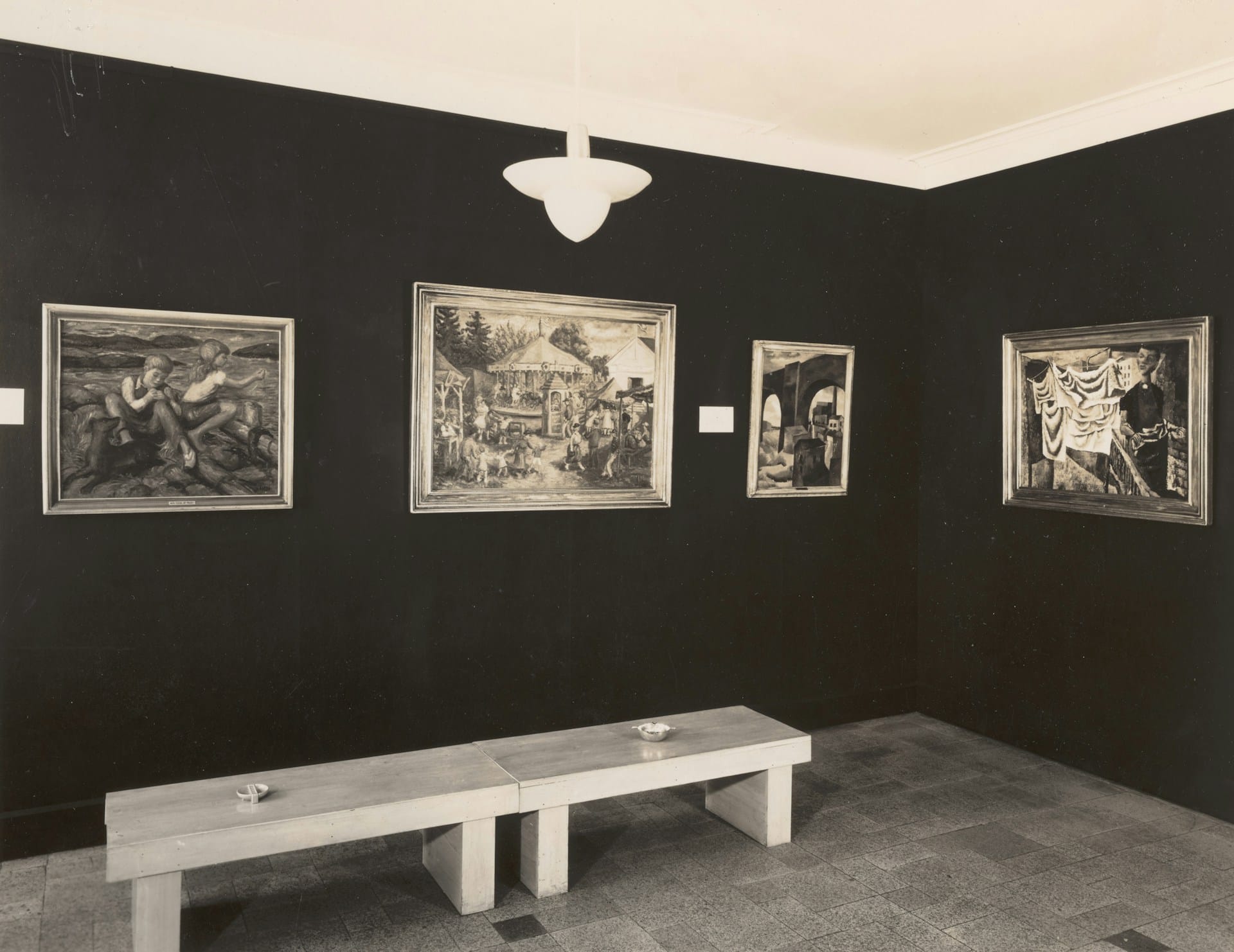
Walk through a major museum renovation today and the wall text has quietly shrunk. In its place: projection, ambient sound, screens that respond to movement, rooms built around a single sensory idea rather than a row of objects with labels. The shift has been gradual enough that most visitors have not consciously noticed it happening.
What new media actually solves
Traditional museum text assumes a visitor who reads carefully, has time, and already has some context for what they are looking at. In practice, most visitors read very little of it. New media formats — a projected timeline, a soundscape tied to a historical event, a screen that lets a visitor manipulate a 3D model — carry meaning without requiring that kind of sustained reading. They meet visitors where their actual attention is, rather than where curators wish it were.
This matters most for institutions trying to reach audiences who did not grow up visiting museums regularly. A well-designed interactive display can communicate in two minutes what a dense paragraph of wall text would take much longer to convey, and it does so without assuming prior knowledge.
A label can tell you what something is. It rarely makes you feel it. The best new media in a museum does not replace the object — it gives the room back its silence at exactly the right moment.
What gets lost in the trade
Not everything translates well to spectacle. Some objects and stories need stillness and unhurried attention, which a darkened room with moving projections rarely provides. There is a real risk of every exhibit reaching for the same toolkit of screens and sound, regardless of whether the subject actually benefits from it, simply because the toolkit is available and impressive.
The best use of new media tends to be selective rather than universal — reserved for the parts of an exhibit where sensory storytelling genuinely adds something a label could not, and left out of the parts where a quiet object deserves quiet attention instead.
The underlying shift
This is less about technology and more about museums rethinking who they are actually built for. New media is a tool for reaching a wider and less specialized audience. Whether that tool is used well depends entirely on whether curators can resist using it everywhere just because they can.
Why this shift has been decades in the making
The move toward new media in museums did not begin with any single technological breakthrough. It reflects a longer, slower recognition within the museum field that attendance patterns, visitor demographics, and public expectations have all shifted considerably since the traditional wall-text-and-glass-case model was established. Museums surveyed their own declining engagement with dense text decades before affordable projection and interactive technology made an alternative practical, which means the shift toward new media is better understood as museums finally having the tools to act on a problem they had already identified, rather than technology creating a new problem to solve.
This history matters because it reframes the shift as a considered institutional response rather than a trend chased for its own sake. Museums that adopted new media thoughtfully tended to do so after genuine visitor research revealed specific gaps the traditional model was failing to close, while museums that adopted it more reactively, mainly because peer institutions were doing so, have tended to produce less successful, less considered results.
What separates museums that use this well from museums that use it poorly
The clearest differentiator is whether new media decisions trace back to a specific visitor need identified through actual research, or whether they trace back to a general sense that the museum should feel more contemporary. Museums in the first category tend to introduce new media selectively, in specific exhibits where visitor research revealed genuine engagement gaps, while leaving other areas in a more traditional format that continues to serve visitors who prefer it. Museums in the second category tend to apply new media more uniformly across an entire renovation, regardless of whether each specific space actually benefits, simply because a uniform aesthetic feels more cohesive from a design standpoint even when it serves visitors less well than a more selective approach would.
How this shift interacts with museum funding and institutional pressure
New media installations tend to be more visible and more easily photographed than traditional exhibits, which makes them disproportionately attractive for institutions under pressure to demonstrate innovation to donors, boards, and funding bodies. This creates a structural incentive toward new media adoption that exists somewhat independently of whether it genuinely serves a given exhibit’s content, and curators report real tension between what visitor research suggests is appropriate for a specific space and what institutional funding pressure favors more generally. Recognizing this tension explicitly, rather than treating every new media decision as though it were made purely on curatorial merit, gives a more accurate picture of why some exhibits reach for spectacle even in spaces where a more traditional approach might have served visitors better.
What this suggests for the coming years
As the novelty of new media in museums fades and visitors become as accustomed to interactive displays as they once were to static text, the differentiator between museums is likely to shift away from simply having new media at all and toward how selectively and thoughtfully it gets deployed. Museums that built genuine visitor research into their new media decisions from the start are likely to age better than museums that adopted the format primarily because it looked contemporary, since the former group built exhibits around actual audience needs while the latter built exhibits around a trend that will, like every trend eventually does, stop reading as contemporary and start reading as dated.