

Walk through a major museum renovation today and the wall text has quietly shrunk. In its place: projection, ambient sound, screens that respond to movement, rooms built around a single sensory idea rather than a row of objects with labels. The shift has been gradual enough that most visitors have not consciously noticed it happening.
Ikiru
What’s new
Museums are embracing new media for storytelling
Projection, sound design, and interactive displays are changing what a museum visit feels like. A look at what is actually being gained and lost.
Featured articles
See all
What a park bench says about who a city was actually designed for
A bench looks like a small, neutral piece of furniture. Where it’s placed, how long it invites you to stay, and who it’s built to exclude say more about a city’s priorities than most policy documents.
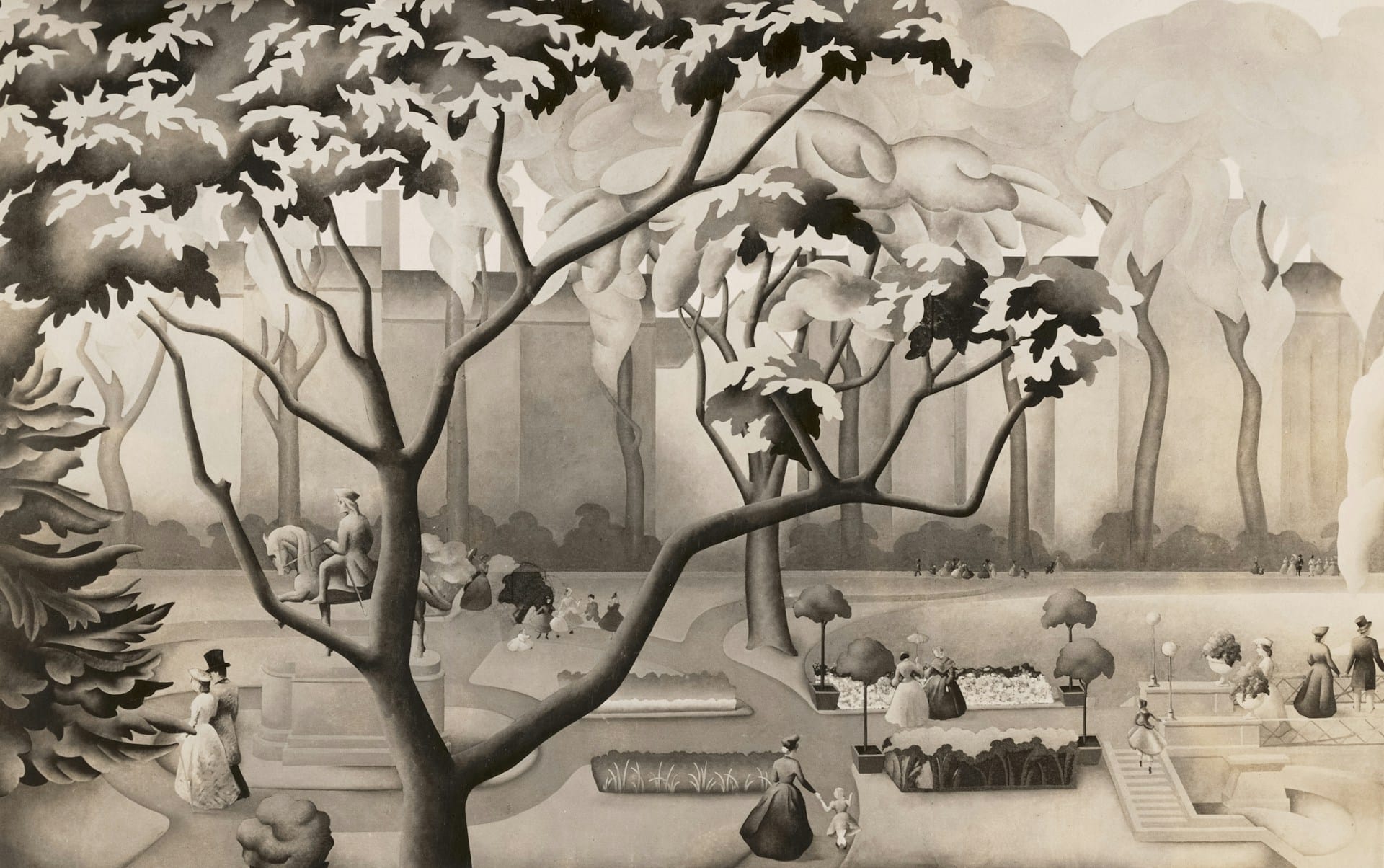
Designing for a wheelchair quietly made the whole building better
Curb cuts were built for wheelchairs and ended up serving strollers, delivery carts, and rolling luggage far more often. Accessible design keeps producing this pattern, almost by accident.
Sound design is doing more work than visitors notice
Ambient sound shapes how long visitors linger and how they feel in a space, often without them consciously registering that sound is involved at all.